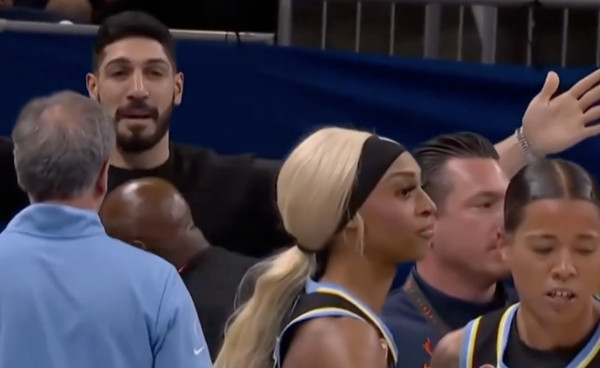
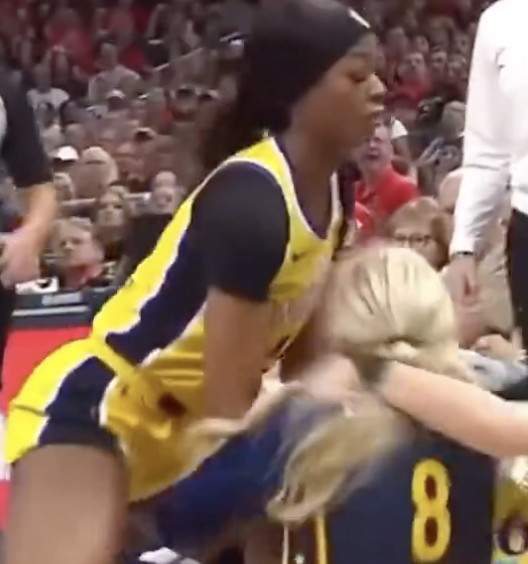
Over the past decade, the Women’s National Basketball Association (WNBA) has made significant strides in establishing itself as an up-and-coming premier professional sports league. This hasn’t always been the case, but with charismatic stars like Caitlin Clark and Sophie Cunningham inspiring young girls and propelling the league forward, the WNBA has gained traction and begun to carve out a dedicated fan base. These female athletes are not just players; they are role models and symbols of women’s empowerment.
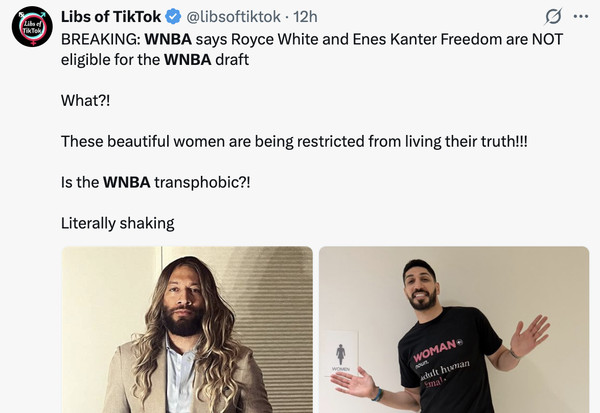
Sadly, the women’s professional basketball league (WNBA) now finds itself embroiled in a self-inflicted identity crisis. This turmoil has nothing to do with playing the game of basketball but concerns the very definitions of womanhood and manhood; terms that the league has recently refused to acknowledge or clearly define. As the WNBA contemplates allowing transgender men to enter the upcoming draft and compete against women, it’s now risking everything on the ideological gamble of undermining its hard-earned fan base and market share, simply to appease the woke mob.
It hasn’t been easy; the league’s growing popularity was a testament to its ability to showcase high-level sports competition while simultaneously providing opportunities for female athletes. However, this progress is being overshadowed by numerous internal controversies and continued external criticisms. Allegations of racial bias and bigotry directed towards Cunningham and Clark have marred the league’s reputation and philosophical direction. While the league must address these concerns, it must also reconcile them with its broader mission, which is affirming womanhood in athletics or erasing it.
At the heart of the latest controversy lies the WNBA’s reluctance to affirm clear definitions of what it means to be a woman or a man. Traditionally, professional sports leagues are divided by gender to ensure fair competition; acknowledging the physical differences that impact athletic performance. The WNBA’s decision to potentially allow trans men to enter the WNBA draft is unprecedented. The move symbolizes a shift from biological definitions toward an ideological framework centered on gender identity. In other words, progressive woke ideology and virtue signaling have now reentered the Title Nine debate.
Critics rightfully argue that by failing to uphold clear definitions, the league risks losing both the competitive integrity of the sport and its growing fan base. This has fueled debates over fairness, safety, and equality. This is especially troublesome for a league built as a space for women’s athletic excellence; such ambiguity now challenges the league’s foundational purpose and mission.
The WNBA leadership seems determined to fall on the sword of woke ideology. Parallel to the gender debate are the troubling allegations of racial bias and bigotry towards white heterosexual women, which isn’t going away anytime soon; this has been publicized and well documented, particularly towards stars like Cunningham and Clark. Addressing these issues transparently instead of ignoring them are paramount if the WNBA hopes to build its brand on a genuinely inclusive league of professional women athletes. Presently, we have fans being kicked out of arenas for simply wearing t-shirts in support of women’s athletics.
Unfortunately, the leagues leadership appears more focused on advancing contentious ideological stances, rather than resolving these divisive issues, sending a conflicting message to the fans. Inclusion and fairness cannot be achieved by replacing one form of bigotry with another. The league’s insistence on imposing an ideological viewpoint on its fan base threatens not only to disenfranchise longtime supporters, but potential new fans as well; and puts future growth and expansion of the league in jeopardy.
The WNBA has been steadily growing in popularity thanks to captivating players like Clark and Cunningham, and gaining substantial market share, not to mention primetime television airtime. These two women have become icons for many fans, inspiring younger generations and expanding the visibility of women’s basketball.
The WNBA is now at a crossroads between maintaining its original mission to promote women’s basketball or die on the vine of progressive woke ideology. As the league continues to grow in market share and expand its reach, it’s gambling its future on something that is an 80/20 issue throughout America. Alienating fans through controversial policies risks reversing the hard-won gains in viewership and sponsorship. This disconnect between the league’s leadership, and its audience will most certainly erode the growing fan base that was carefully cultivated over the last decade.
Ultimately, the WNBA’s future success depends on its ability to unite rather than divide its community. By emphasizing women’s athletic excellence, creating clear and unambiguous standards, and eliminating racial bias and bigotry, this is the only formula to restore competitive integrity to the sport and fan loyalty for years to come. Its response to these issues will shape not only its reputation, but the future of women’s professional basketball in America.
Editorial comments expressed in this column are the sole opinion of the writer
'WNBA seeks suicide mission over success' by Vincent
- by: Vincent
- 2026-08-31
- Source:
heartlandjournal.com

- 08/31/2026
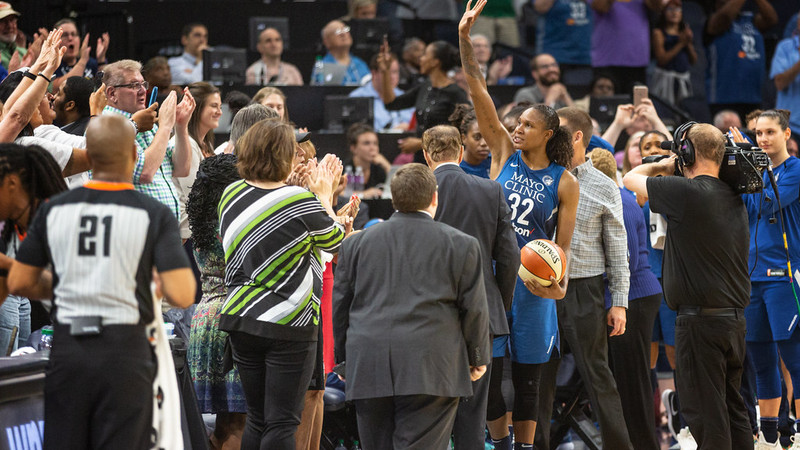
Rebekkah Brunson waves to the crowd after setting the WNBA record for rebounds (3,317) by Lorie Shaull is licensed under by-sa