
In the turbulent landscape of the second Trump administration, two high-profile exposés have rocked federal assistance programs, highlighting systemic vulnerabilities to fraud, waste, and abuse. Agriculture Secretary Brooke Rollins has spearheaded a crackdown on the Supplemental Nutrition Assistance Program (SNAP), formerly known as food stamps, revealing staggering irregularities that prompted a nationwide reapplication mandate.
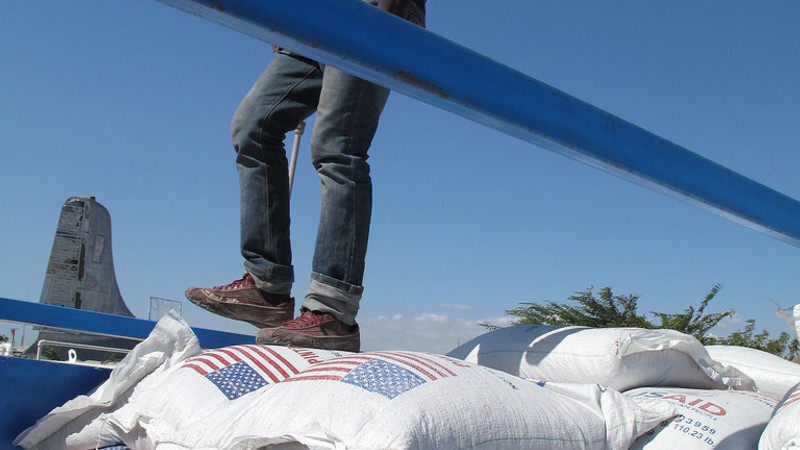
Simultaneously, Florida Senator-turned-Secretary of State Marco Rubio has taken the helm in dismantling aspects of the U.S. Agency for International Development (USAID), citing rampant corruption in foreign aid distribution, particularly in Ukraine.
These revelations, unfolding in early 2025, underscore a broader Republican push to audit and reform entitlement and aid bureaucracies, amid accusations of Biden-era abuse. Together, they paint a picture of billions potentially squandered, eroding public trust and fueling demands for accountability.
Brooke Rollins, a longtime Trump ally and former domestic policy director, assumed the role of Agriculture Secretary in January 2025 with a mandate to scrutinize federal spending. Her focus quickly zeroed in on SNAP, the nation's largest hunger-relief program, which serves over 40 million low-income Americans annually with $120 billion in benefits. What began as routine data audits during a brief government funding lapse in late October 2025 escalated into a bombshell revelation of "massive fraud" that Rollins described as "frightful" and emblematic of a "corrupt" bureaucracy.
The trigger was a temporary suspension of SNAP funding amid congressional gridlock, which forced the USDA to pause benefit issuances and conduct emergency verifications. Rollins, leveraging this window, directed all 50 states to submit enrollment data for cross-checks against federal databases like the Social Security Death Index and IRS records. While only 29 states initially complied—citing logistical hurdles—the results were damning. In those jurisdictions alone, auditors uncovered nearly 200,000 instances of deceased individuals receiving active benefits, including 5,000 confirmed dead recipients still drawing monthly allotments.
Additionally, over 500,000 enrollees were found to be double-dipping, simultaneously claiming SNAP in multiple states or layering it atop other unverified welfare programs.
Rollins publicized these findings on X (formerly Twitter), posting on November 2, 2025: "SNAP fraud is out of control, and the numbers we HAVE prove it. Data from just 29 states uncovered nearly 200,000 people with dead people's info."
Extrapolating to all 50 states, she estimated the fraud could exceed $10 billion annually, though independent analysts caution that full audits are pending. Critics, including Democratic lawmakers, argue the overpayments stem more from administrative errors—like outdated records—than intentional scams, noting SNAP's historical fraud rate hovers below 1%.
Yet Rollins dismissed such defenses, telling CNN on November 14, 2025, that the program's lax verification—exacerbated by pandemic-era waivers—created a "free-for-all" for abusers.
The response was swift and sweeping. On November 15, 2025—the current date—Rollins announced that all SNAP recipients must reapply within 90 days, undergoing biometric checks, income reverification, and photo ID submissions. This affects 42 million households, potentially delaying benefits for millions during the holiday season. Non-compliance risks permanent disqualification. By mid-November, 120 individuals faced arrests for trafficking benefits—selling EBT cards for cash—or identity theft, with seizures totaling $2.5 million in illicit funds.
Earlier efforts under Rollins foreshadowed this purge. In May 2025, the USDA joined multi-agency stings in high-fraud hotspots like California and New York, netting 47 arrests for schemes involving ghost retailers and benefit laundering through cryptocurrency.
A November 3 report detailed "large-scale abuse," including organized rings using stolen identities from data breaches to enroll fictitious families.
Rollins attributed much of the rot to Biden administration policies, such as expanded eligibility without robust audits, which she claimed ballooned improper payments to 11% of total outlays in 2024. Public reaction has been polarized. Food banks report surging demand as reapplications bog down the system, while conservative outlets hail Rollins as a "fraud-buster." On Newsmax, she warned, "We've only scratched the surface—imagine what the other 21 states are hiding."
Legal challenges loom from advocacy groups alleging the overhaul discriminates against vulnerable populations, but Rollins vows to defend it in court, framing it as essential to "restore integrity" and redirect savings toward farmers and rural broadband.
Across the Potomac, Marco Rubio—elevated to Secretary of State in February 2025—has waged a parallel war on waste, this time targeting USAID, the $50 billion foreign aid behemoth. Rubio's involvement stems from his senatorial oversight role, where he chaired subcommittees grilling USAID on Ukraine allocations. Trump, echoing Elon Musk's X rants branding the agency a "criminal organization" rife with "radical-left political activism," tasked Rubio with auditing and restructuring it.
By July 2025, Rubio's efforts culminated in a congressional rescission package clawing back $8 billion in unspent funds, justified by documented fraud and mismanagement.
The most explosive example emerged in February 2025: USAID's handling of $61 billion in Ukraine aid since 2022. A Senate Republican probe, led by Rubio, uncovered systematic cover-ups, including false "classified" stamps on routine disbursements to obscure audits.
Documents revealed $1.2 billion funneled to unvetted NGOs, some linked to oligarchs who siphoned funds into luxury real estate and offshore accounts. One case involved a $45 million grant for "agricultural resilience" that instead bankrolled a Kyiv-based firm's private jet fleet, with zero deliverables reported.
Judicial Watch's FOIA lawsuit exposed emails where USAID officials joked about "plausible deniability" for these diversions, prompting Rubio to declare, "This isn't aid—it's a slush fund for corruption."
Rubio's discoveries extended beyond Ukraine. A former USAID deputy administrator, whistleblowing in a February Fox Business interview, detailed "endless" abuses: $200 million in Afghan refugee programs diverted to U.S.-based consultants' salaries, with 70% overhead; and $300 million for Gaza humanitarian kits that vanished into Hamas-affiliated suppliers, per internal memos.
In Africa, Rubio highlighted a $150 million climate initiative where funds supported luxury eco-retreats for elites rather than drought relief, citing a 2024 inspector general report buried by the prior administration.
Telework fraud plagued headquarters, with 40% of D.C. staff claiming remote pay while drawing per diems for non-existent field trips—echoing Senator Joni Ernst's parallel probes.
Musk's Department of Government Efficiency (DOGE) amplified Rubio's push, dispatching auditors who flagged USAID's 1,200-page grant guidelines as a "fraud incubator." By March 2025, 200 senior officials were sidelined amid turmoil, with Rubio assuming interim USAID oversight.
He issued waivers for essential humanitarian flows—$2 billion for famine relief—but slashed administrative budgets by 30%, redirecting cuts to border security.
Detractors, including ex-USAID staff, decry the moves as ideological sabotage, arguing fraud claims are overstated to gut global diplomacy.
An NPR analysis found only 2-3% of aid lost to corruption historically, but Rubio counters with declassified files showing $5 billion in "unaccounted" Ukraine transfers alone.
His July 2025 testimony before the House warned, "We've dismantled the facade—now we rebuild with transparency, or risk taxpayer dollars funding our adversaries."
Rollins and Rubio's campaigns intersect in their Trump-era ethos: audit aggressively, penalize harshly, and prioritize American interests. SNAP's domestic reckoning mirrors USAID's international purge, both yielding arrests, clawbacks, and bureaucratic overhauls.
Yet challenges persist—legal battles over SNAP reapplications and diplomatic fallout from USAID cuts, including strained Ukraine ties. As of November 15, 2025, these exposés have recovered $1.5 billion combined, but at what cost to the needy? Proponents see salvation from waste; opponents, a politicized axe. In an era of fiscal scrutiny, their legacies hinge on whether reforms endure beyond the headlines, ensuring aid serves the vulnerable, not the venal.
Editorial comments expressed in this column are the sole opinion of the writer.
