
Recent scientific developments have renewed debates about the health impacts of electromagnetic field (EMF) radiation, as studies published in early 2026 reveal concerning biological effects from low-level exposure. According to reporting from The HighWire, new research combined with a federal health initiative signals growing recognition that current safety standards may inadequately account for non-thermal biological impacts.
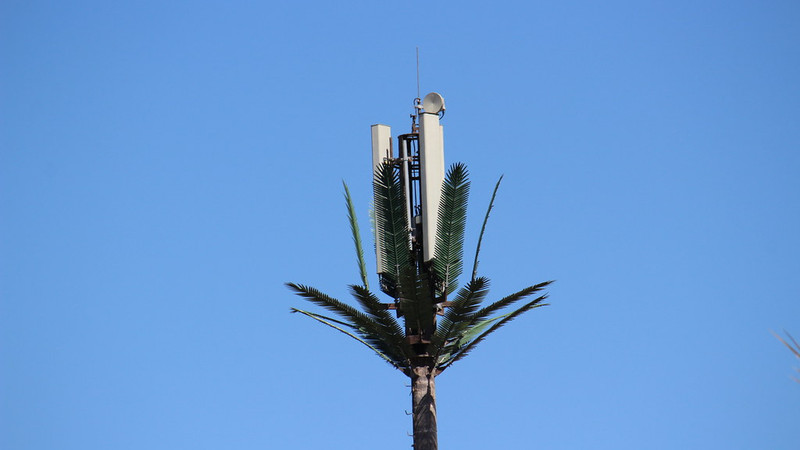
A pivotal study published in *Electromagnetic Biology and Medicine* in February 2026 examined individuals living near cellular transmission infrastructure. Researchers found that proximity to cell towers and wireless base station antennas correlated with elevated radiofrequency (RF) radiation exposure and detectable alterations in white blood cell profiles—specifically affecting immune-related blood cells.
The research documented evidence of biological stress responses and oxidative stress markers among exposed populations. These findings challenge the conventional regulatory paradigm that considers only thermal heating effects from RF radiation, suggesting instead that chronic low-level exposure may trigger measurable physiological changes even when radiation levels fall below existing guidelines.
Beyond single-exposure effects, the report highlights emerging evidence of "synergistic toxicity"—the theory that EMF radiation may amplify harm when combined with other environmental stressors or toxicants. This phenomenon suggests cumulative biological burdens that current safety assessments fail to address comprehensively.
This concept has gained traction among researchers who question whether standard EMF safety standards—based primarily on preventing tissue heating—adequately protect public health. The synergistic toxicity hypothesis implies that EMF exposure could exacerbate effects from chemical pollutants, heavy metals, or other environmental factors that individuals encounter daily.
Responding to mounting scientific questions and public concerns, the Department of Health and Human Services (HHS) announced in January 2026 that it would conduct a comprehensive review of electromagnetic radiation research under the direction of Make America Healthy Again Commission initiatives.
Health Secretary Robert F. Kennedy Jr., who has publicly linked cellphone radiation to neurological damage and cancer concerns, prompted the investigation. HHS spokesperson Andrew Nixon confirmed the department is examining "electromagnetic radiation and health research to identify gaps in knowledge, including on new technologies, to ensure safety and efficacy."
The Food and Drug Administration (FDA) concurrently removed webpages containing older conclusions about cell phone radiation safety pending review, signaling potential shifts in official health guidance.
The federal action comes as scientific consensus continues evolving. While agencies like the National Cancer Institute maintain that current evidence does not conclusively link cell phones to cancer, the new HHS study indicates recognition that questions remain unresolved—particularly regarding newer technologies and long-term, low-level exposure effects.
These developments echo previous large-scale studies, including the National Toxicology Program's rodent research, which found "clear evidence" of cardiac tumors in male rats exposed to high RF radiation levels. The biological mechanisms behind such effects remain under active investigation.
As research continues, these findings may have significant implications for infrastructure planning, public health policy, and individual risk assessment regarding wireless technology deployment.
For more on EMF protection see Cory Hillis Visionary President of EMF Solutions | Episode 357
