
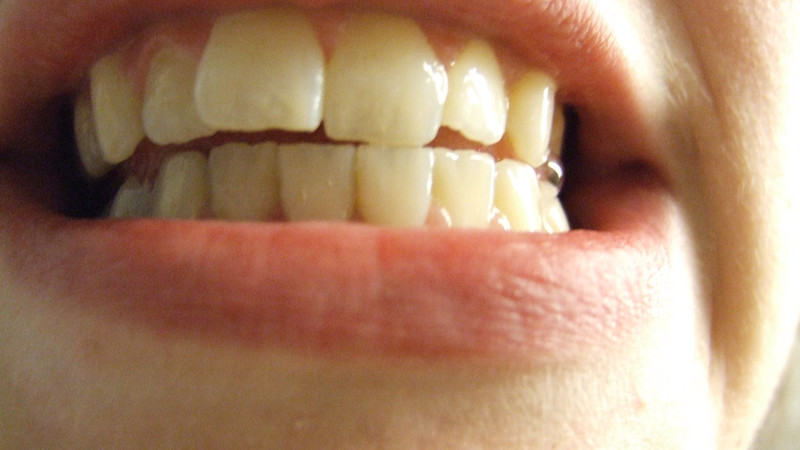
As the editor of Heartland Journal, an information source dedicated to exploring the intersections of chemistry, health, and policy, I've long been fascinated by substances that straddle the line between boon and bane. Fluoride is a prime example.
For decades, it's been hailed as a dental hero, added to public water supplies to combat tooth decay. Yet, recent scientific scrutiny and a landmark court ruling have cast a shadow over this practice. In this article, we'll delve into the industrial processes behind fluoride production, then examine compelling reasons—rooted in emerging evidence and a pivotal California court decision—why it's time to reconsider adding fluoride to our water systems.
Let's break it down step by step, drawing on chemistry, toxicology, and legal insights.
The Industrial Origins: How Fluoride Compounds Are Made
Fluoride, in its elemental form, doesn't exist freely in nature due to its extreme reactivity—it's the most electronegative element on the periodic table. Instead, the "fluoride" added to water refers to fluoride compounds like fluorosilicic acid (H₂SiF₆), sodium fluorosilicate (Na₂SiF₆), and sodium fluoride (NaF). These aren't conjured in pristine labs for public health; they're largely byproducts of heavy industry, particularly fertilizer manufacturing.
Understanding their production reveals a gritty, chemical-intensive process tied to mining and pollution control.
The story begins with phosphate rock, a sedimentary deposit rich in apatite (Ca₅(PO₄)₃F), which naturally contains fluoride ions bound to calcium.
This rock is mined globally, with major sources in Central Florida, especially Polk, Hillsborough, Manatee, and Hardee counties, known as "Bone Valley", Morocco, and China. To extract phosphoric acid—a key ingredient in fertilizers—the rock undergoes the "wet process."
Here, it's reacted with sulfuric acid (H₂SO₄) in large reactors at temperatures around 167°-185°F. The primary reaction is:Ca₅(PO₄)₃F + 5H₂SO₄ + 10H₂O → 3H₃PO₄ + 5CaSO₄·2H₂O + HF
This yields phosphoric acid (H₃PO₄), gypsum (CaSO₄·2H₂O), and hydrogen fluoride (HF) gas as a byproduct. But HF isn't the only fluoride released; silicon dioxide (SiO₂) in the rock reacts to form silicon tetrafluoride (SiF₄) gas:SiO₂ + 4HF → SiF₄ + 2H₂OThese gases—HF and SiF₄—are toxic and corrosive, so they're scrubbed from the exhaust using water sprays in pollution control systems. The SiF₄ hydrolyzes in water to form fluorosilicic acid:SiF₄ + 2H₂O → H₂SiF₆ + SiO₂ (partial, but overall yields H₂SiF₆)This fluorosilicic acid, a clear, fuming liquid with about 23–25% concentration, is the most common additive for water fluoridation in the U.S., accounting for around 90% of usage.
It's captured as a waste product, purified minimally (to remove heavy metals like arsenic and lead, though traces can remain), and shipped to water treatment plants.
For sodium fluorosilicate, the process is similar: fluorosilicic acid is neutralized with sodium hydroxide (NaOH) or sodium carbonate (Na₂CO₃), precipitating the salt:H₂SiF₆ + 2NaOH → Na₂SiF₆ + 2H₂OThis yields a white, crystalline powder that's easier to handle but still derived from the same industrial scrubbers.Sodium fluoride, used in smaller systems, has a slightly different path. It's often produced by neutralizing hydrofluoric acid with sodium hydroxide:HF + NaOH → NaF + H₂OHydrofluoric acid itself comes from fluorspar (CaF₂), another mined mineral, reacted with sulfuric acid:CaF₂ + H₂SO₄ → 2HF + CaSO₄This HF is distilled and used in various industries, from glass etching to refrigerants. About 10% of water fluoride comes from this route.
The scale is immense: U.S. fertilizer plants produce millions of tons of phosphoric acid annually, generating enough fluoride byproducts to fluoridate water for over 200 million people. This "recycling" of industrial waste into public water has economic appeal—it's cheap, costing pennies per person per year—but it raises questions about purity and unintended contaminants. The process isn't designed for human consumption; it's an afterthought to waste management.
The Rise and Rationale of Water Fluoridation
Water fluoridation began in the 1940s after observations in Colorado Springs showed that naturally high fluoride levels (from rocky soils) reduced cavities but caused dental fluorosis—mottled enamel.
Grand Rapids, Michigan, became the first city to add fluoride in 1945, aiming for 1.0 mg/L (later lowered to 0.7 mg/L in 2015). The goal: mimic nature's dental benefits without excess. Fluoride ions incorporate into tooth enamel as fluorapatite (Ca₅(PO₄)₃F), making it more resistant to acid erosion from bacteria.
By the 1960s, the CDC and WHO endorsed it as a public health triumph, crediting it with a 25% drop in cavities. Today, about 73% of Americans on public water systems receive fluoridated water. Proponents argue it's equitable, reaching low-income communities without relying on toothpaste or visits to the dentist.
Emerging Shadows: Health Risks Beyond Teeth
But fluoride isn't just a dental darling—it's a systemic chemical. Absorbed through the gut, it circulates in blood, accumulates in bones and pineal gland, and crosses the blood-brain barrier. While acute toxicity (from high doses) causes nausea or death, chronic low-level exposure is trickier. Early concerns focused on skeletal fluorosis in high-natural-fluoride areas like India, but recent meta-analyses link it to subtler effects: thyroid disruption, bone fractures, and—most alarmingly—neurodevelopmental harm.
The turning point came with the National Toxicology Program's (NTP) 2024 report, synthesizing over 70 studies. It found "moderate confidence" that fluoride levels above 1.5 mg/L lower children's IQ by 2–5 points, with suggestive evidence at lower doses.
Human epidemiology from Canada, Mexico, and China showed dose-response relationships: higher urinary fluoride correlated with lower cognitive scores. Animal studies reinforced this, showing fluoride alters neurotransmitters and hippocampal structure.
Why the brain? Fluoride may interfere with calcium signaling, induce oxidative stress, or mimic phosphate in enzymes. Vulnerable populations include pregnant women (fluoride passes the placenta) and bottle-fed infants using fluoridated tap water.
The Pivotal Court Case: A Call for Regulatory Reckoning
This evidence culminated in a groundbreaking ruling in Food & Water Watch, Inc. v. Environmental Protection Agency, decided on September 24, 2024, by U.S. District Judge Edward M. Chen in the Northern District of California. Where I'm from and grew up drinking this stuff!
Plaintiffs, including advocacy groups and mothers, sued under the Toxic Substances Control Act (TSCA), arguing that water fluoridation at 0.7 mg/L poses an "unreasonable risk" to health, particularly children's IQ.
Judge Chen's 80-page opinion was meticulous. He reviewed the NTP report, epidemiological data, and expert testimonies, concluding there's "substantial and scientifically credible evidence" that fluoride is a neurodevelopmental hazard at current levels. While not deeming it definitively harmful (due to some study limitations), he found the risk unreasonable under TSCA, which requires EPA action if hazards outweigh benefits without certainty of harm.
The court ordered the EPA to initiate rulemaking to mitigate this risk—potentially lowering limits, adding warnings, or banning additions.
The EPA appealed in January 2025, arguing the ruling oversteps, but as of early 2026, the case underscores a paradigm shift.
This isn't California's Supreme Court (a state body), but a federal court in California handling national implications. The misnomer in public discourse highlights how the ruling reverberated.
Why Stop Adding Fluoride? A Science-Backed Imperative
Citing this case, the case for halting water fluoridation is clear: the benefits no longer justify the risks. Dental gains are marginal today—modern toothpaste, sealants, and hygiene have slashed cavities regardless of water fluoride. A 2015 Cochrane review found fluoridation's effect diminishes in eras of widespread topical fluoride.
Conversely, the neurotoxicity risk is unacceptable. Losing even a few IQ points population-wide could mean billions in lost productivity and heightened special needs.
Equity cuts both ways: low-income kids, often with higher exposure via processed foods, face amplified harm.
Ethically, mass medication without consent is problematic. Unlike chlorine (which disinfects), fluoride treats people, not water. Alternatives abound: fluoride varnishes at dentists, supplements for high-risk groups, or education on brushing.
Environmentally, fluoride from water ends up in rivers, harming aquatic life. Industrially, ceasing additions would force better waste management in fertilizer plants, not dumping into our taps.
The California ruling isn't isolated—countries like Sweden and Japan avoid systemic fluoridation, favoring topicals with comparable dental health. It's time for the U.S. to follow science over inertia.
At Heartland Journal, we urge policymakers: heed the evidence. Fluoride's journey from byproduct to additive has run its course. Let's protect brains as vigilantly as teeth.
Editorial comments expressed in this column are the sole opinion of the writer.
