
"Nobody believes a liar...even when he is telling the truth!" The Boy Who Cried Wolf Aesop's fable
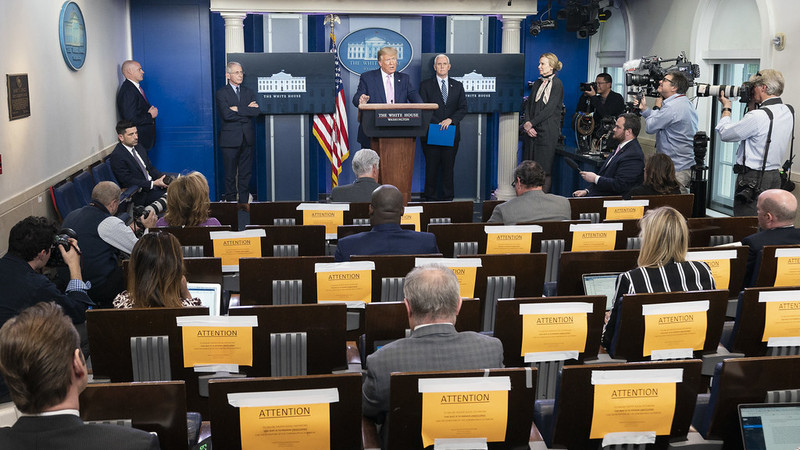
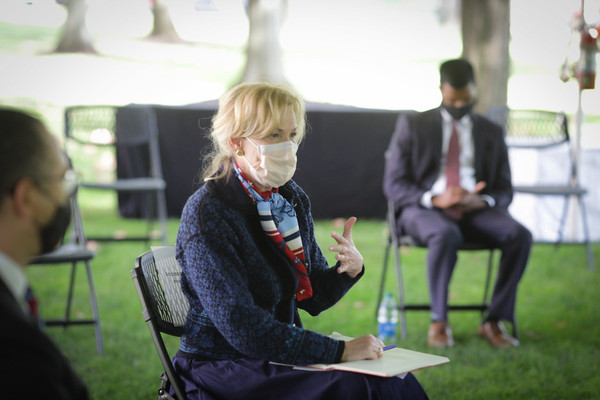
If trust is the currency of the medical profession, then Dr. Anthony Fauci and Dr. Deborah Birx managed to spend the entire treasury—and then some—during their stewardship of America’s pandemic response in 2021 and 2022. What was supposed to be a season of recovery and clarity instead became a masterclass in institutional self-sabotage. The consequences are still unfolding today, not merely in lingering public skepticism, but in a broader unraveling of the medical establishment’s moral authority. When historians look back on this era, they may conclude that no two individuals did more to mainstream medical distrust than the very experts tasked with preventing it.The irony is bitter. Fauci and Birx were presented as the apolitical bulwarks of science in a chaotic time. Yet their tenure was defined by shifting goalposts, opaque decision-making, and a striking intolerance for legitimate scientific dissent. Americans were told that vaccines would stop transmission—until they didn’t. They were told that natural immunity was suspect, then later acknowledged as durable. They watched as public health agencies conflated caution with coercion, turning masking and boosters into moral litmus tests rather than risk-calibrated tools. The public does not forgive condescension dressed up as expertise. When “follow the science” became a slogan wielded to silence debate rather than an invitation to understand evolving data, millions of Americans stopped listening altogether.
The damage did not stay confined to COVID-19 policy. It metastasized into a general suspicion of the entire medical-industrial complex. And as if on cue, the credentialing system that undergirds American healthcare has begun to show cracks that can no longer be ignored. Recent investigative reports have exposed massive fraud rings in India manufacturing counterfeit medical degrees—operations of staggering scale, with authorities in places like Kerala seizing more than 100,000 bogus certificates and uncovering networks that allegedly sold credentials to buyers seeking visas and employment abroad. While exact figures are disputed, the World Health Organization and Indian authorities have long warned that the subcontinent suffers from a shadow army of unqualified practitioners, with estimates suggesting the number of fake or unlicensed “doctors” may reach into the hundreds of thousands or more.

Perhaps the most damning evidence of Fauci and Birx’s legacy is found not in congressional hearing transcripts, but in the empty chairs of pediatricians’ offices where routine childhood immunizations are increasingly refused. Before 2020, vaccination was as uncontroversial a milestone as a first haircut or a learner’s permit; the CDC’s childhood schedule enjoyed compliance rates in the mid-90s, and diseases like measles and polio were regarded as historical curiosities by parents who never questioned their pediatrician’s clipboard. Today, that social consensus lies in tatters. National immunization rates have slipped to their lowest levels in a generation, with kindergarten vaccine coverage dropping several percentage points and pockets of exemption rates climbing high enough to trigger resurgences of once-eradicated illnesses—most notably a wave of measles outbreaks that would have been unthinkable a decade ago. The childhood vaccine schedule, once treated as a benign fixture of responsible parenting, is now interrogated with the same suspicion once reserved for experimental therapies: parents who dutifully rolled up their toddlers’ sleeves for MMR and DTaP in 2019 now demand ingredient lists, spacing protocols, and liability guarantees, having learned from the COVID era that “safe and effective” can be a marketing slogan as much as a medical determination. Public health officials may blame social media or political polarization for this retreat, but the truth is harder to stomach: they themselves taught the public to question the needle, and now an entire generation of children is growing up in a country where the shots that were once routine are no longer assumed to be righteous.
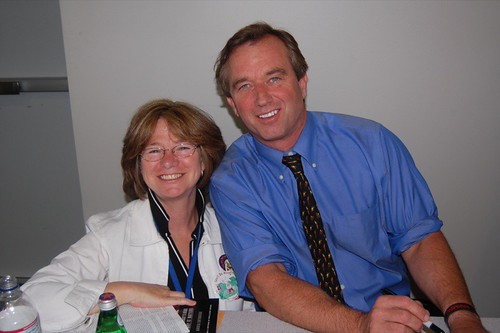
Into this vacuum of trust steps Robert F. Kennedy Jr., a figure who would have been consigned to the political fringe in any other era but now finds himself leading the Department of Health and Human Services. Whether one views him as a crusader or a provocateur, his ascent is incomprehensible without understanding what Fauci and Birx wrought. RFK Jr. built his movement by asking questions the establishment insisted were settled—questions about pharmaceutical industry capture of regulatory agencies, about the financial entanglements between public health officials and vaccine manufacturers, and about the influence of figures like Bill Gates and the WHO in shaping global health policy through funding rather than democratic accountability.
Many of Kennedy’s allegations have been dismissed by legacy media and fact-checkers, and some have been outright debunked. But dismissing the sentiment behind his support is a luxury the medical establishment no longer has. When patients watch pharmaceutical giants rake in record profits while escaping meaningful liability, when they see charitable foundations wield outsize influence over public health agendas, and when they recall being told that cheap, widely available treatments were dangerous while patented alternatives were the only path forward, they cease to see conspiracy and start to see pattern. RFK Jr. did not create this suspicion; he merely gave it a microphone.
If medicine hopes to earn back what it lost, it must begin with an honest confession: the skepticism now coursing through the culture was not born in Facebook groups or foreign troll farms. It was manufactured in Washington briefing rooms and televised press conferences, by officials who confused authority with infallibility. The white coat is not a shield against scrutiny. Until the medical establishment internalizes that lesson, no amount of credentialing reform or fact-checking will repair the damage done.
Editorial comments expressed in this column are the sole opinion of the writer
