
Sam Houston
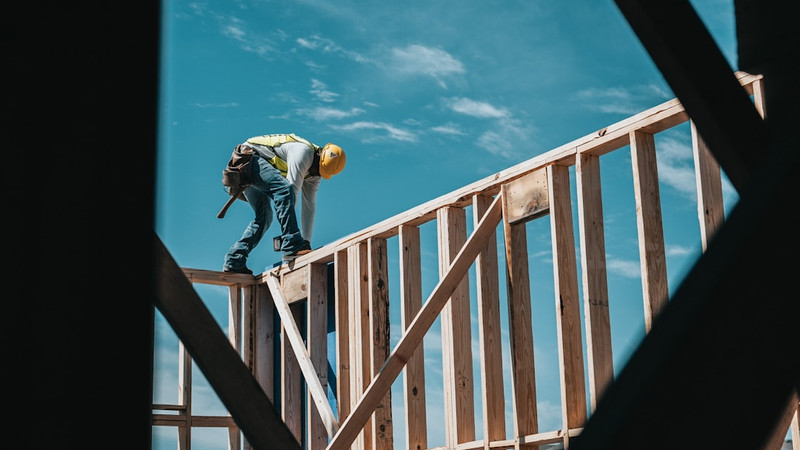
A growing confrontation is emerging between President Trump's aggressive immigration enforcement and economic realities in Texas, where home builders are warning Republican lawmakers that continued raids on construction sites could permanently damage the party's prospects in the region while creating severe labor shortages in one of America's most critical housing markets.
Mario Guerrero, CEO of the South Texas Builders Association and a self-identified Trump voter, delivered a stark message during meetings with federal officials in early February: "South Texas will never be red again." Guerrero's comments highlight the mounting frustration within the construction industry, which relies heavily on immigrant labor to meet the state's robust housing demands.
The problem extends far beyond Texas. According to industry representatives, over 40% of construction workers in Texas are immigrants, with substantial percentages being undocumented. Recent immigration enforcement actions have created widespread labor shortages, delayed construction projects, and increased costs across the state. In 2025 alone, Texas would have constructed approximately 400,000 fewer homes without immigrant labor, contributing to the state's ongoing housing affordability crisis.
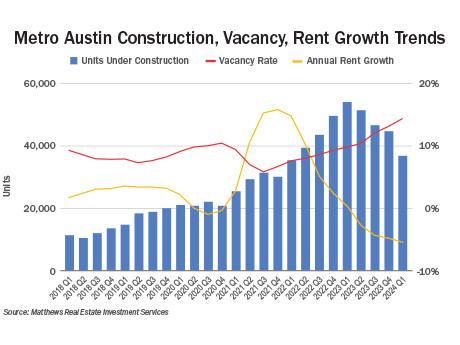
These issues have tangible economic consequences. Construction delays mean fewer homes on the market at a time when Texas faces significant housing shortages, driving up prices and potentially pricing out middle-class families. The decreased construction activity also threatens job growth in related industries, including materials suppliers, furniture manufacturers, and home goods retailers.
Sam Houston
The political implications of these enforcement actions are profound for Republicans in Texas. South Texas has been an increasingly competitive region, with GOP candidates making significant inroads with Latino voters in recent election cycles. These demographic shifts have been driven by changing attitudes toward economic policy, cultural issues, and security concerns—gains that construction industry leaders warn are being jeopardized by aggressive immigration enforcement.
"For many Latino voters, immigration enforcement is deeply personal," notes a Republican strategist from Texas. "When family members or community members are affected by workplace raids, it doesn't just impact one person—it ripples through entire communities. Families with mixed immigration status are particularly vulnerable, and the political backlash can be sustained and generational."
Construction industry leaders have held multiple meetings with both the White House and congressional representatives, seeking a more targeted approach to immigration enforcement that focuses on criminal elements rather than disrupting law-abiding workers at construction sites. Their visits to Washington in early February underscore the industry's growing desperation.
In response to these concerns, Texas lawmakers from both parties are pursuing legislation that would create a new visa category specifically for construction workers. Representatives Monica De La Cruz (R-TX) and Lloyd Smucker (R-PA) have introduced the Essential Workers for Economic Advancement Act, which would establish an H-2C visa program modeled after existing agricultural worker visas.
The bipartisan effort reflects the political sensitivity of the issue in Texas, where both parties recognize the economic and electoral implications of construction labor shortages. The proposed bill would create a legal pathway for seasonal construction workers to address what builders describe as critical labor shortages, particularly in regions like South Texas where immigration enforcement has been most intense.
"We have to face reality – 40% of construction workers in Texas are immigrants," stated Representative Vicente Gonzalez (D-TX) in a social media post. "We need a legal framework that recognizes our economic needs while maintaining security priorities."
The response from Texas elected officials has been varied and, in some cases, politically complicated. Governor Greg Abbott, who has positioned himself as a strong advocate for border security, has largely maintained his support for aggressive immigration enforcement while simultaneously promoting economic growth across Texas.
Representative Henry Cuellar (D-TX), who recently received a pardon from Trump for accepting bribes and had hinted at switching parties, has been more vocal in advocating for the construction industry's concerns. Cuellar facilitated meetings between the South Texas Builders Association and congressional leaders in Washington.
Meanwhile, Representative Tony Gonzales (R-TX), who represents a border district, has introduced legislation aimed at enhancing border security while also working to address legitimate labor needs. His Homeland Threat Response Act focuses on closing legal gaps for Customs and Border Protection personnel but doesn't directly address the construction industry's visa concerns.
Other Texas Republicans have been notably quiet on the issue, likely reflecting the political tightrope they must walk between their party's base that demands stricter immigration enforcement and business constituents who rely on immigrant labor.
The immigration debate exposes a fundamental hypocrisy within Republican circles. While publicly advocating for strict immigration enforcement and deportations to appeal to their base, many Republican business interests depend heavily on cheap immigrant labor. This tension has only intensified under Trump's aggressive policies.
"We've always seen this necessary hypocrisy in American immigration policy," notes political analyst Maria Torres. "Republicans will never deprive American businesses of their cheap, exploitable labor. That would be un-American from an economic perspective, even as they decry illegal immigration politically."
This dynamic is particularly evident in Texas, where industries from construction to agriculture rely on immigrant labor, yet Republican politicians maintain tough-on-immigration rhetoric to satisfy their voter base. The result is a policy landscape that simultaneously enforcement-heavy and dependent on undocumented workers.
Sam Houston
Nowhere is this contradiction more apparent than in Governor Greg Abbott's response to the controversial Colony Ridge development in Liberty County, often described as the "biggest trailer park in the United States" with an estimated property value of $1 million. The massive development, located northeast of Houston, has become a flashpoint in the immigration debate, serving as a haven for immigrant families while simultaneously drawing scrutiny over alleged cartel activity and inadequate infrastructure.
Despite his hardline stance on border security, Abbott has been criticized for what critics characterize as inaction regarding Colony Ridge. The governor's administration recently settled with developers for $68 million over alleged environmental and zoning violations, yet the development continues to expand rapidly, drawing numerous immigrant residents, many of whom are undocumented.
ICE conducted a major operation at Colony Ridge in February 2025, resulting in over 118 arrests and highlighting law enforcement concerns about criminal elements in the community. Critics argue that such developments, which provide affordable housing options for immigrant workers, effectively create sanctuaries that attract illegal immigration while allowing businesses to maintain a supply of cheap labor without providing adequate infrastructure or legal oversight.
This developing situation in Texas reflects broader tensions within the Republican coalition nationwide. The GOP's traditional support for business-friendly policies and free markets often conflicts with the increasingly hawkish immigration stance demanded by the party's base. The construction industry's warnings highlight how practical economic concerns can clash with ideological purity, particularly in states with significant immigrant populations.
The outcome of this debate could have far-reaching implications for the 2026 midterm elections, especially in Texas where competitive races are becoming increasingly common. If South Texas, once considered Democratic territory, shifts permanently back to the blue column due to immigration enforcement policies, it could effectively end Republican hopes of expanding their electoral map in the region.
Sam Houston
Governor Greg Abbott has received significant political contributions from developers connected to the controversial Colony Ridge development in Liberty County. Campaign finance records show that the Texas development company responsible for Colony Ridge, along with its principals and affiliated entities, have donated over $750,000 to Abbott's gubernatorial campaigns since 2014. These donations came despite the development's controversial status as an unincorporated settlement that has drawn criticism for inadequate infrastructure and rapid expansion without proper zoning oversight.
What makes these contributions particularly noteworthy is their timing relative to regulatory actions against Colony Ridge. Donations surged during periods when the Texas Attorney General's office was investigating environmental violations and other infractions at the development, with Abbott's administration ultimately settling with the developers for $68 million in early 2026. Critics suggest these political connections may explain why enforcement actions were relatively lenient compared to other similar cases. Despite Abbott's hardline rhetoric on illegal immigration, the substantial contributions from developers who profit from housing immigrant communities highlight a disconnect between his stated positions and the financial relationships that may influence policy decisions.
The Colony Ridge donations exemplify the broader tension in Texas politics between tough-on-immigration rhetoric and the economic realities of Republican business supporters who benefit from immigrant labor and housing needs.
Lt. Gov. Dan Patrick thanked AG Paxton in a social media post and claimed credit for being "the first elected official to conduct an in-depth tour of Colony Ridge with law enforcement." Candidate for Governor Paxton announced a $68 million settlement with the developers of Colony Ridge, addressing allegations of deceptive lending and marketing practices targeting Latino homebuyers.
For Texas builders, the immediate future remains uncertain. Construction projects continue to face delays and cost increases, while the political landscape shifts in unpredictable ways. What remains clear is that the intersection of immigration policy, economic needs, and electoral politics will continue to be a defining issue in Texas and potentially the nation for the foreseeable future.
"This isn't just about construction—it's about whether our communities can grow and thrive," Guerrero told lawmakers during his Washington visit. "When we can't build homes, when we can't expand businesses, when families are torn apart by enforcement actions, we all pay the price. That's a reality that transcends party lines and requires thoughtful solutions rather than blunt instruments."
Editorial comments expressed in this column are the sole opinion of the writer
