
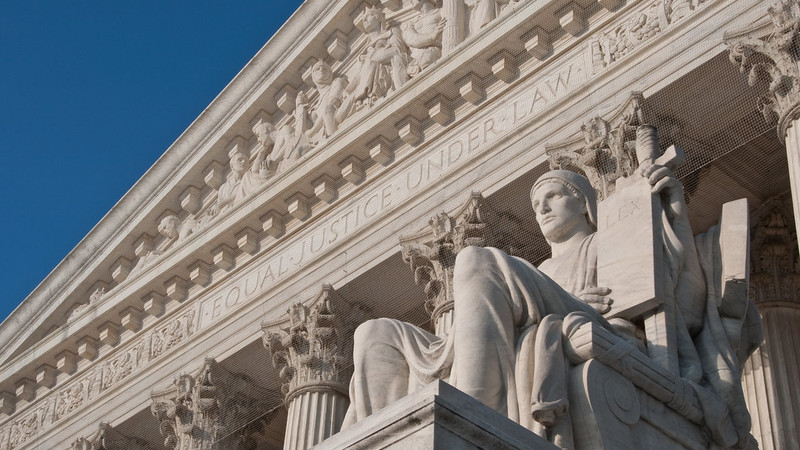
The U.S. Supreme Court issued a unanimous ruling in in William Trevor Case v. Montana, affirming the Montana Supreme Court's decision and expanding the "community caretaker" exception to warrantless entries into private residences. This ruling permits law enforcement to enter homes without a warrant based on a "reasonable belief" that someone inside may be in danger, without requiring probable cause or judicial oversight.
Updated Factual Summary Incorporating Additional Post:
The core facts remain as previously summarized: On September 27, 2021, in Anaconda, Montana, police responded to a report from petitioner William Trevor Case's former girlfriend indicating potential suicidal threats and risks to officers. After assessing the situation and receiving no response, officers forcibly entered the home without a warrant. Case was found hiding, and upon emerging, officers perceived a "black object" (later confirmed as a holster, not a weapon) and shot him, wounding his arm and abdomen. A handgun was recovered nearby. Case was subsequently charged with assault on a police officer, his suppression motion was denied, and he was convicted. The Montana Supreme Court upheld the conviction in a 4-3 decision, broadening the community caretaker doctrine.
In a silent, unanimous decision without public fanfare, the U.S. Supreme Court affirmed this expansion, redefining Fourth Amendment protections. The ruling replaces traditional requirements of probable cause and warrants with subjective "reasonable belief" of peril, particularly in welfare check scenarios. This shift is presented as prioritizing safety but raises concerns about unchecked police discretion, potential abuse, and the erosion of constitutional boundaries around the home.
Dissenting views from the Montana Supreme Court and amicus briefs, warning that this unanimous SCOTUS ruling fundamentally hollows out the Fourth Amendment are many. They emphasize the lack of national debate, the replacement of firm constitutional limits with emergency exceptions, and the risk of normalized overreach—from mental health checks to broader "risk assessments" or dissent suppression. The post concurs that the decision prioritizes subjective judgment over due process, potentially leading to permanent expansions of state power under the guise of safety. It echoes fears of "after-the-fact excuses" and unchecked authority, reinforcing that the home's sanctity as a constitutional boundary has been compromised.
A cascade of replies expressing outrage over constitutional erosion, comparisons to historical power abuses, and calls for resistance or legislative pushback followed the ruling.
Commenters noted parallels to existing police practices, concerns about misuse (e.g., unannounced entries leading to violence), and broader critiques of government overreach, including references to historical insolvency and de facto governance.
Critics are viewing the ruling as a structural shift toward conditional privacy and theoretical freedom.
