
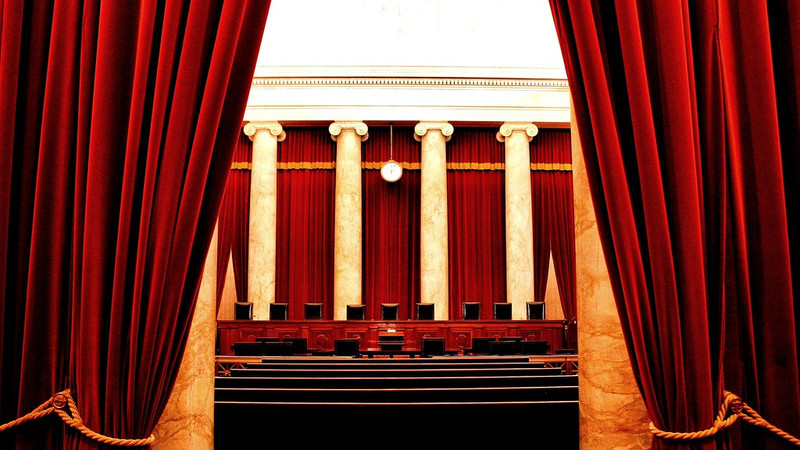
The U.S. Supreme Court will head into 2026 with numerous high profile decisions to issue. Transgender athletes, birthright citizenship, presidential firing power, tariffs and redistricting are several issues that hang in the balance of the high court’s decision making.
The Center Square compiled many of the key cases that could have widespread ramifications swpwnsing on how the court rules.
Tariffs
A central focus of President Donald Trump’s economic policy – the ability to levy tariffs against foreign nations – will be tested before the nation’s highest court in Learning Resources, Inc. v. Trump.
Twelve states and five small businesses challenged Trump’s authority to impose tariffs under the 1977 International Emergency Economic Powers Act, a law that never mentions the word “tariff” and has never been used to impose tariffs. Trump argues that the law grants him emergency powers as president to act in times of crisis.
Justices on the court appeared divided over the issue during oral arguments on Nov. 5. Trump has repeatedly signified the importance of a favorable decision from the court.
"With a Victory, we have tremendous, but fair, Financial and National Security,” Trump wrote on social media. “Without it, we are virtually defenseless against other Countries who have, for years, taken advantage of us.”
Trump has levied tariffs against dozens of nations including China, India, Brazil and South Korea. In some instances, Trump has negotiated deals with other countries for less severe tariff rates.
The average tariff rate is 17%, according to the Tax Policy Center. If all of Trump’s proposed tariff rates go into effect, the rate will increase to 21%.
