
The fall of Kabul to the Taliban in August 2021 triggered one of the largest humanitarian evacuations in modern history, with over 120,000 Afghans airlifted to safety. By late 2025, approximately 200,000 Afghans had resettled in the United States, many fleeing Taliban-enforced Sharia interpretations that impose severe restrictions on women, minorities, and dissenters. Two states at the *forefront of this effort—Utah and North Carolina—have absorbed thousands of these newcomers, reshaping urban landscapes through demographic shifts, community initiatives, and economic infusions. Yet, this influx has sparked debates over cultural integration, particularly concerns that some resettled Afghans may prioritize Sharia principles—such as gender segregation or religious governance—over U.S. constitutional norms like equal protection and secular law. Meanwhile, non-governmental organizations (NGOs) coordinating these efforts have secured billions in federal funding, raising questions about who truly benefits amid strained local resources.
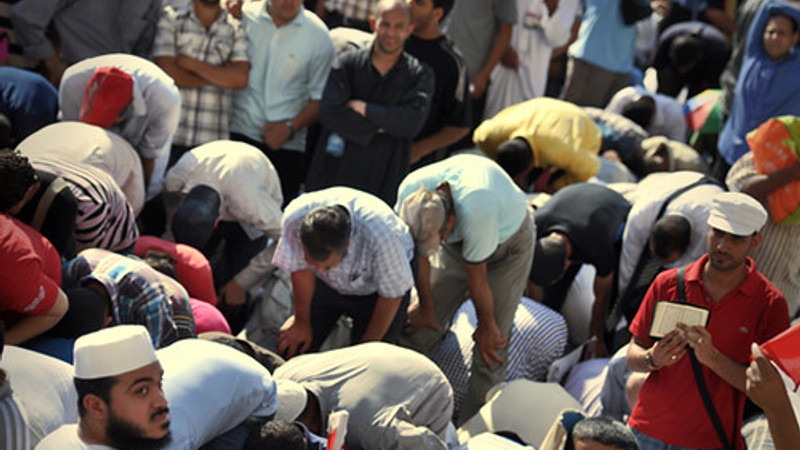
Utah, with its history of embracing refugees since the 1970s, positioned itself as a resettlement leader post-2021. By December 2025, the state had welcomed over 1,500 Afghan arrivals, surpassing initial projections of 900 and marking the largest influx in its history. Utah's new Muslim community has established mosques and Islamic centers across the state, particularly in the Salt Lake City metropolitan area.
Primarily concentrated in Salt Lake City and Logan, these families—often Special Immigrant Visa (SIV) holders who aided U.S. forces—have transformed quiet neighborhoods into multicultural hubs. Salt Lake City's West Valley and South Salt Lake districts, already home to diverse refugee groups, now feature Afghan-owned halal markets, Dari-language tutoring centers, and community mosques. In Logan, Cache County's Afghan population ballooned from one individual pre-2021 to over 100, fostering new cultural festivals like Nowruz celebrations that blend Persian traditions with Mormon pioneer heritage.
The impact on cities is profound. Economically, Afghans have filled labor gaps in Utah's booming sectors: construction, hospitality, and tech support. A 2023 Gardner Policy Institute report noted that refugees, including Afghans, contribute $1.2 billion annually to the state's GDP through taxes and spending, with many achieving self-sufficiency within 180 days via job placement programs.
Socially, schools in Salt Lake City have adapted with ESL programs for over 300 Afghan children, while volunteer networks—bolstered by the LDS Church—provide mentorship and home-cooked meals. Governor Spencer Cox's 2021 Afghan Community Fund raised $1 million in public-private donations, funding laptops, cellphones, and housing for 220 individuals, easing the burden on a state grappling with its own housing crisis.
These efforts have woven Afghans into the fabric of Utah life, with stories of barbecues where Afghan biryani meets American burgers symbolizing rapid integration.
Yet, transformations come with friction. Rapid population growth has exacerbated housing shortages; by 2023, Afghan families waited months for affordable units, sometimes bunking in temporary shelters.
In smaller communities like Ogden, school overcrowding led to bilingual aides being stretched thin, prompting parental complaints about resource dilution. More pointedly, cultural clashes have emerged around Sharia adherence. While most resettled Afghans—secular professionals and interpreters—embrace American freedoms, pockets of traditionalism persist. Reports from 2024 highlight informal Sharia councils in Salt Lake City advising on family disputes, raising alarms among locals about parallel legal systems undermining constitutional due process.
Critics, including some faith leaders, worry that unvetted arrivals might import Taliban-era views on gender roles, incompatible with Utah's progressive refugee policies and the U.S. First Amendment's separation of church and state. A 2025 Southern Poverty Law Center analysis linked anti-refugee rhetoric to fears of "Sharia creep," though data shows no widespread imposition—only isolated cases of cultural preference, like women seeking modesty guidelines.
Still, these tensions underscore a broader unease: as Afghan enclaves grow, so does the risk of insularity, potentially eroding the secular norms that define American pluralism.
North Carolina's resettlement story mirrors Utah's in scale but diverges in geography, with over 3,500 Afghans arriving by 2025, ranking the state ninth nationally. There are a total of 103 Mosques in North Carolina as of October 15, 2025.
Cities like Charlotte, Greensboro, Raleigh, and Durham absorbed the bulk, more than doubling the state's Afghan population from the prior decade.
Mecklenburg County (Charlotte) leads with over 800 arrivals, followed by Guilford (Greensboro) at 900, turning these metros into vibrant Afghan nodes. Durham's immigrant districts now boast Afghan bakeries and rug shops, while Raleigh's volunteer-driven welcome committees have hosted cultural exchanges, blending qorma sabzi with Southern barbecue.
Community impacts are dual-edged. Positively, Afghans have revitalized declining neighborhoods; in Greensboro, former textile workers' sons now collaborate with Afghan engineers in biotech firms, boosting local innovation.
Faith-based groups, like the Cooperative Baptist Fellowship, have sponsored 24 church-owned homes statewide, providing stability and fostering interfaith bonds.
Economically, the influx supports a $500 million annual contribution via refugee labor in agriculture and services, per a 2024 NCDHHS estimate. However, strains are evident: the 2021-2022 surge overwhelmed agencies, with Lutheran Services Carolinas handling 87 Afghans in three months—far exceeding annual norms of 150-200.
In Charlotte, families languished in Pineville hotels without adequate food or medical access, prompting volunteer interventions amid NGO funding shortfalls.
Rural areas like Leicester in Buncombe County, now hosting fifth-largest Afghan clusters, face interpreter shortages and school integration hurdles, dispersing newcomers beyond urban safety nets.
Sharia-related concerns amplify these challenges. While most Afghans arrive as U.S. allies rejecting Taliban extremism, cultural holdovers surface. In Greensboro's Montagnard-Afghan coalitions—ironically uniting Vietnam War refugees with new arrivals—tensions arise over gender norms, with some Afghan women reporting pressure to adhere to modesty codes clashing with public school dress policies.
A 2023 WUNC investigation revealed underfunded agencies struggling to address domestic disputes resolved informally via Sharia-inspired mediation, bypassing constitutional protections like equal recourse under law.
Far-right groups have seized on this, amplifying fears of "Islamization" in Charlotte, where mosques serve as community anchors but fuel online narratives of constitutional erosion.
No verified cases exist of Sharia supplanting U.S. law, but the perception persists, exacerbated by backlogged asylum processes leaving families in legal limbo.
At the heart of resettlement are NGOs like the International Rescue Committee (IRC) in Utah and Lutheran Services Carolinas in North Carolina, which receive per capita federal grants from the State Department's Bureau of Population, Refugees, and Migration (PRM) and Health and Human Services' Office of Refugee Resettlement (ORR). IRC's Salt Lake office, resettling over 13,000 refugees since 1994, secured $50 million in 2022-2024 for Afghan programs alone, funding caseworkers, housing stipends, and health screenings.
In North Carolina, USCRI and Church World Service handled 1,169 projected arrivals in 2021, drawing $30 million in ORR funds for similar services.
Nationally, PRM allocated $2.5 billion for Afghan resettlement by 2025, with NGOs taking administrative cuts of 5-10%—equating to $125-250 million in overhead.
Who profits? Executive salaries offer clues: IRC's CEO earned $1.2 million in 2023, while Lutheran Services' resettlement director oversaw budgets ballooning 500% post-2021.
Critics, including fiscal watchdogs, argue this "refugee industrial complex" incentivizes higher caseloads, with underfunding leading to volunteer dependency—unsustainable as burnout hits.
Donors like Zions Bank ($100,000 to Utah's fund) gain tax breaks and PR, while landlords profit from NGO-subsidized rents amid housing crunches.
For cities, the transformation is bittersweet: economic vitality clashes with cultural anxieties, as Sharia's shadow—alleged honor killings—tests America's commitment to inclusive norms.
In sum, Afghan resettlement has enriched Utah and North Carolina with resilience and diversity, but at costs to cohesion and taxpayer wallets. As of November 2025, with Trump's travel ban reinstating restrictions, the influx slows, leaving communities to navigate lasting changes.
True integration demands addressing Sharia misconceptions head-on, ensuring Jeffersonian constitutional fidelity prevails without alienating newcomers seeking the very religious freedoms they fled for.
* In terms of raw numbers, the states with the largest Muslim populations are New York (724,475), California (504,056), Illinois (473,792), New Jersey (321,652), and Texas (313,209). This is expected as these are some of the states with the highest overall populations.
Editorial comments expressed in this column are the sole opinion of the writer.
