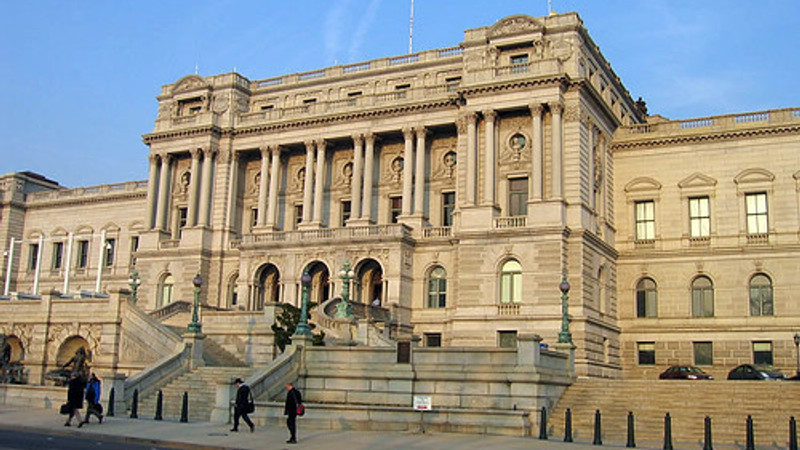
Beyond its 171 million books (+1 with 'Songs About the Heartland' added) and manuscripts, the Library of Congress safeguards an array of bizarre artifacts that reveal the quirky side of American history. Curators at the nation's oldest federal cultural institution maintain everything from centuries-old cake to locks of famous Americans' hair, creating a collection that surprises even the most seasoned researchers.
Among the most unusual holdings is a slice of wedding cake from the 1863 marriage of General Tom Thumb (Charles Stratton) and Lavinia Warren, which once impressed President Abraham Lincoln at their White House reception. The confection arrived at the library in the 1950s as part of the papers of actress Minnie Maddern Fiske and her husband Harrison Grey Fiske.
Perhaps more unsettling to modern sensibilities is the library's extensive collection of human hair. Curators have preserved locks from numerous historical figures, including Thomas Jefferson, James Madison, Walt Whitman, and even composer Ludwig van Beethoven. These personal keepsakes were commonly exchanged as tokens of affection in earlier centuries.
The library also maintains a small but historically significant collection of Sigmund Freud's cocaine, which the famed psychoanalyst used before the substance's harmful properties were widely understood. The Controlled Substances Act now prevents the library from adding similar items to its collection.
In testament to its commitment to preserving modern culture, the Library of Congress has begun archiving social media posts. Rather than just documenting political discourse, curators have recognized the historical value of everyday digital communications that future researchers might find invaluable for understanding 21st-century life.
"We no longer see these items as curiosities," explained one librarian, "but as artifacts that tell a more complete story of our nation's cultural heritage—from the personal keepsakes of famous figures to the digital breadcrumbs of ordinary Americans."
The collection demonstrates how the Library of Congress has evolved beyond traditional library materials to embrace the strange and unexpected elements that make up the tapestry of American history.
For Fiscal Year 2024, the Library of Congress operates with a budget of $843.7 million. This represents an increase of $15.2 million from the previous year's funding level. The Library had originally requested $895.2 million for FY2024, but Congress approved approximately $51.5 million less than that request.
Looking ahead, the Library has requested $898 million for Fiscal Year 2025, which would represent a 5% increase from the FY2024 enacted budget. This funding supports the Library's core operations including acquisition and preservation of materials, programming, technological development, copyright administration, and services to Congress and the public.
The Library's budget supports its vast collection including books, recordings, photographs, maps, and manuscripts, as well as the unusual artifacts, such as historic wedding cake and locks of hair to now include your tweets. The funding also enables the Library to serve Congress through the Congressional Research Service and the Copyright Office, while providing resources to millions of visitors and researchers annually.
Editorial comments expressed in this column are the sole opinion of the writer
Among the most unusual holdings is a slice of wedding cake from the 1863 marriage of General Tom Thumb (Charles Stratton) and Lavinia Warren, which once impressed President Abraham Lincoln at their White House reception. The confection arrived at the library in the 1950s as part of the papers of actress Minnie Maddern Fiske and her husband Harrison Grey Fiske.
Perhaps more unsettling to modern sensibilities is the library's extensive collection of human hair. Curators have preserved locks from numerous historical figures, including Thomas Jefferson, James Madison, Walt Whitman, and even composer Ludwig van Beethoven. These personal keepsakes were commonly exchanged as tokens of affection in earlier centuries.
The library also maintains a small but historically significant collection of Sigmund Freud's cocaine, which the famed psychoanalyst used before the substance's harmful properties were widely understood. The Controlled Substances Act now prevents the library from adding similar items to its collection.
In testament to its commitment to preserving modern culture, the Library of Congress has begun archiving social media posts. Rather than just documenting political discourse, curators have recognized the historical value of everyday digital communications that future researchers might find invaluable for understanding 21st-century life.
"We no longer see these items as curiosities," explained one librarian, "but as artifacts that tell a more complete story of our nation's cultural heritage—from the personal keepsakes of famous figures to the digital breadcrumbs of ordinary Americans."
The collection demonstrates how the Library of Congress has evolved beyond traditional library materials to embrace the strange and unexpected elements that make up the tapestry of American history.
For Fiscal Year 2024, the Library of Congress operates with a budget of $843.7 million. This represents an increase of $15.2 million from the previous year's funding level. The Library had originally requested $895.2 million for FY2024, but Congress approved approximately $51.5 million less than that request.
Looking ahead, the Library has requested $898 million for Fiscal Year 2025, which would represent a 5% increase from the FY2024 enacted budget. This funding supports the Library's core operations including acquisition and preservation of materials, programming, technological development, copyright administration, and services to Congress and the public.
The Library's budget supports its vast collection including books, recordings, photographs, maps, and manuscripts, as well as the unusual artifacts, such as historic wedding cake and locks of hair to now include your tweets. The funding also enables the Library to serve Congress through the Congressional Research Service and the Copyright Office, while providing resources to millions of visitors and researchers annually.
Editorial comments expressed in this column are the sole opinion of the writer