
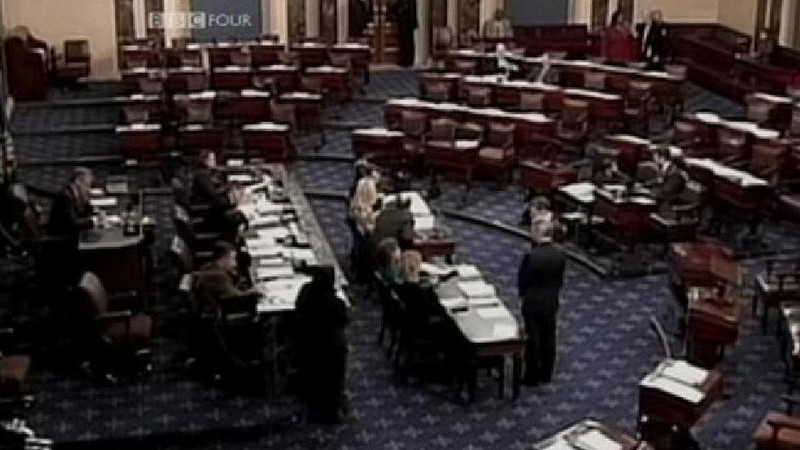
On December 17, 2025, the U.S. House of Representatives passed H.R. 3492, the Protect Children's Innocence Act, sponsored by Rep. Marjorie Taylor Greene (R-GA) who is not running for re-election and said she wants more time with her family. The bill, which cleared the chamber in a narrow 216-211 vote, seeks to criminalize gender-affirming medical care for transgender minors nationwide. Specifically, it amends Title 18 of the U.S. Code to classify surgeries, puberty blockers, and hormone therapies intended for gender transition in those under 18 as felonies, punishable by up to 10 years in prison for providers. Proponents argue it safeguards children from potentially harmful and irreversible procedures, emphasizing parental rights and biological realities. Critics, including major medical organizations like the American Medical Association and the American Academy of Pediatrics, contend it interferes with evidence-based healthcare, potentially endangering transgender youth by restricting access to treatments that alleviate gender dysphoria and reduce suicide risks.
The vote largely followed party lines, with most Republicans supporting the measure and Democrats opposing it. However, there were notable crossovers: three Democrats voted in favor—Rep. Henry Cuellar (D-TX), Rep. Don Davis (D-NC), and Rep. Vicente Gonzalez (D-TX). These lawmakers, representing conservative-leaning districts, have previously broken ranks on social issues, citing concerns over youth protections. On the other side, four Republicans voted against the bill—Rep. Evans (R-CO), Rep. Brian Fitzpatrick (R-PA), Rep. Mike Kennedy (R-UT), and Rep. Mike Lawler (R-NY). These moderates, often from swing districts, expressed reservations about federal overreach into medical decisions and the bill's broad implications for civil liberties.
This passage marks a significant, albeit symbolic, milestone in the ongoing national debate over transgender rights. While the bill advances Republican priorities in a GOP-controlled House, it faces steep odds in the Senate, where Republicans hold a slim majority and bipartisan support is unlikely. Advocacy groups like the ACLU and Human Rights Campaign have condemned the legislation, warning it could embolden state-level bans and stigmatize transgender families.
Broader context reveals a polarized landscape: over 20 states have enacted similar restrictions since 2021, prompting legal challenges and federal interventions. The bill's felony provisions raise questions about enforcement, interstate travel for care, and First Amendment concerns for educators discussing gender identity. Economically, it could strain healthcare systems and increase litigation costs.
Ultimately, this vote underscores the Republican's cultural divide. Supporters view it as a moral imperative to protect minors from ideological influences, while opponents see it as discriminatory policy that ignores scientific consensus. As the 2026 midterms loom, such measures may galvanize bases but alienate moderates. Whether it spurs dialogue or deepens entrenchment remains to be seen, but it highlights the need for nuanced, evidence-driven approaches to youth healthcare.
Editorial comments expressed in this column are the sole opinion of the writer.
