

I like podcasts. I used to listen to Tucker Carlson daily until he seemingly went off the deep end. I still listen to Joe Rogan from time to time, though for every interview I enjoy, there are three or four I skip entirely. I follow Green Bay Packer reports religiously. But perhaps my favorite listen these days is Matt Walsh if you want blunt, common-sense commentary, he’s worth your time.
Recently, Walsh did a monologue on the death of rock and roll music. Naturally, that got my attention.
At first, I was skeptical. Surely rock isn’t dead.
But by the time he finished making his case, I realized something unsettling:
He was right.
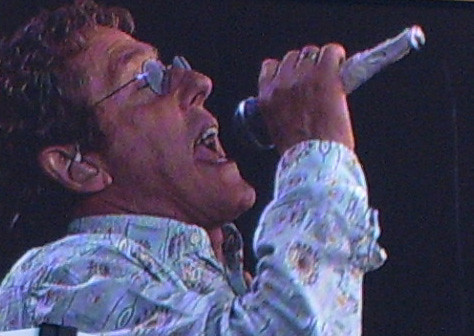
As Roger Daltrey once belted out with The Who, “Say it ain’t so, Joe.”
From the 1950s through the early 2000s, rock music ruled popular culture. Born from the blues traditions of Black musicians, rock evolved into something rebellious, loud, emotional, dangerous, and deeply human. It shaped generations. It shaped identities.
But somewhere along the line, it stopped being culturally dominant. Worse, it stopped mattering to younger generations altogether.
Walsh’s central point was simple: rock music is no longer driving the culture.
And honestly, look around. He’s right.
Today’s music industry pushes hip-hop, rap, sugary pop, electronic music, and algorithm-friendly singles designed more for streaming playlists than for longevity. Music now feels manufactured, digitized, and fragmented. Much of it is created by solo artists hunched over laptops instead of bands sweating together in garages and rehearsal spaces.
That chemistry matters.
Think about what it took for Pink Floyd to create The Dark Side of the Moon. Think about the songwriting partnership of Mick Jagger and Keith Richards with The Rolling Stones. Or John Lennon and Paul McCartney with The Beatles.
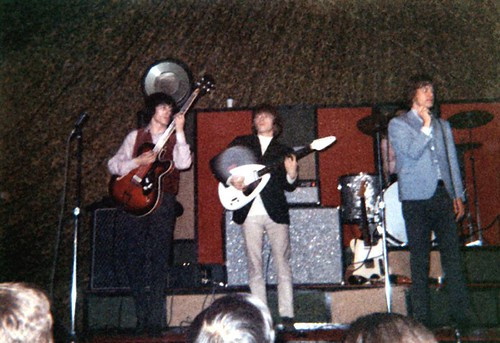
Those bands didn’t just record songs. They built sounds together.
And the voices? There is nobody today remotely comparable to Zeppelin’s Robert Plant, Bob Seger, or Steve Perry of Journey. Likewise, there are few musicians even attempting the guitar mastery of Jimmy Page, Eric Clapton, or Keith Richards.
My wife and I were married to a Led Zeppelin song, despite objections from the church. That music meant something to us. It wasn’t background noise. It became part of people’s lives.
Rock also thrived on rebellion and swagger. Walsh argued that modern culture distrusts masculine energy and no longer celebrates the kind of rebellious spirit that fueled rock music for decades. Whether you fully agree or not, there’s truth in the observation.
Consider Elvis Presley being filmed only from the waist up on The Ed Sullivan Show because his movements were considered too provocative for television audiences. Rock music used to make parents nervous and authority figures uncomfortable. It carried danger, rebellion, swagger, and attitude. Today, we see half-dressed performers dancing to computerized syncopation, yet somehow none of it feels genuinely rebellious. The edge that once defined rock music is mostly gone.
Sure, rock still exists in smaller forms — indie, punk, metal, and alternative — but none dominate popular culture the way classic rock once did. And frankly, much of it lacks the memorable songwriting, musicianship, and emotional punch that made classic rock endure for generations.
Now compare the biggest musical acts of 2025 with those from 1975, the year I graduated high school.
In 2025, the top-selling acts include Taylor Swift, Drake, The Weeknd, Bad Bunny, Kendrick Lamar, and Billie Eilish.
In 1975? Elton John, Eagles, Fleetwood Mac, Bee Gees, Led Zeppelin, Pink Floyd, Queen, Chicago, John Denver, and The Carpenters.
Those artists created albums people still listen to fifty years later.
Today’s hits often feel disposable by comparison.
One modern rock band I like is Nickelback. Younger listeners mock them endlessly, but when I ask why, nobody can really explain it. They became more of a cultural punchline than a band people seriously evaluated.
In 1972, Don McLean released the all-time classic American Pie. Its central theme revolved around what McLean called “the day the music died,” referring to the 1959 plane crash that killed Buddy Holly, Ritchie Valens, and The Big Bopper.
But with all due respect to McLean, the music did not die with those three artists. Thousands of musicians stepped forward to carry the torch. Rock evolved, expanded, and eventually dominated popular culture for decades.
Now, though, McLean’s phrase feels strangely prophetic. Maybe he was simply fifty years ahead of his time.
So maybe Matt Walsh is right after all. Maybe rock music is not just fading. Maybe it is already gone. Sob.
And if that is true, then we lost more than a music genre. We lost a shared cultural experience — something raw, communal, rebellious, imperfect, and real.
Hold onto your albums, folks.

Editorial comments expressed in this column are the sole opinion of the writer
Alan N. Webber
Cave Creek AZ
