
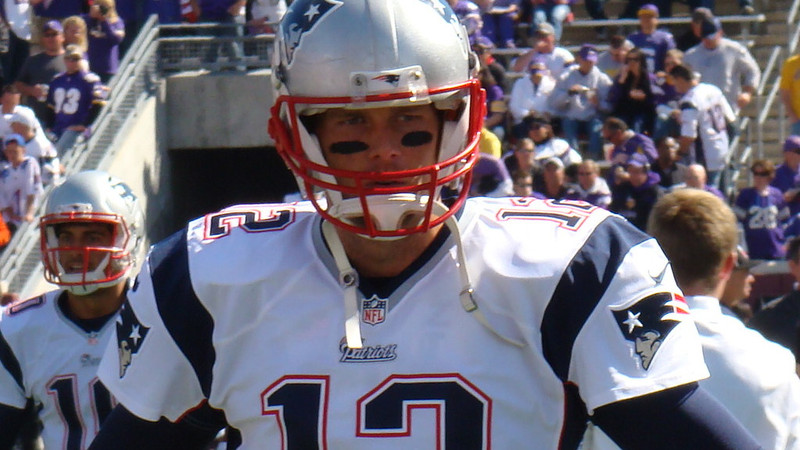
One of the strangest things in sports culture is how quickly admiration turns into resentment once a team actually starts winning consistently.
A few years ago, fans across the league were rooting for the Oklahoma City Thunder. They were the fresh story. A small market franchise built through patience, drafting, and development. After years of seeing the same Finals matchups centered around LeBron James and Stephen Curry, basketball fans wanted something different. The Thunder represented hope for parity. They felt organic. Easy to root for.
But then they started winning.
And once that happens, the narrative changes almost overnight.
Suddenly, the referees are “helping them.” The league is “orchestrating” wins. Their stars become “overrated.” Every national conversation turns into complaints about how tired people are of seeing the same team succeed. Fans of franchises like the Los Angeles Lakers, New York Yankees, Kansas City Chiefs, and New England Patriots know this cycle better than anyone.
Sports culture claims to celebrate greatness, but often only in theory.
People love the idea of building a winner. They just do not always love living in the reality of one.

Winning repeatedly creates a different emotional response from fans because dominance removes uncertainty. Sports thrive on unpredictability. Fans enjoy hope. They enjoy believing their team has a chance. The longer one franchise controls a sport, the more it can feel like everyone else is competing for second place. That frustration slowly transforms admiration into fatigue.
What makes this dynamic interesting is that many of the same qualities fans say they respect are the exact qualities they later criticize. Discipline. Stability. Smart management. Player development. Consistency. We praise organizations for building sustainable cultures until that sustainability starts eliminating our own favorite teams from contention every year.
At some point, success itself becomes viewed as unfair.
Dynasties are often accused of receiving favoritism because people struggle to accept how difficult sustained excellence actually is. It is easier to believe referees, league offices, or hidden agendas are involved than to acknowledge that certain organizations simply operate at a higher level for longer periods of time. Sustained winning in professional sports is incredibly rare precisely because of salary caps, free agency, injuries, media pressure, and roster turnover. Yet when teams overcome all of that, the public response often becomes suspicion instead of appreciation.
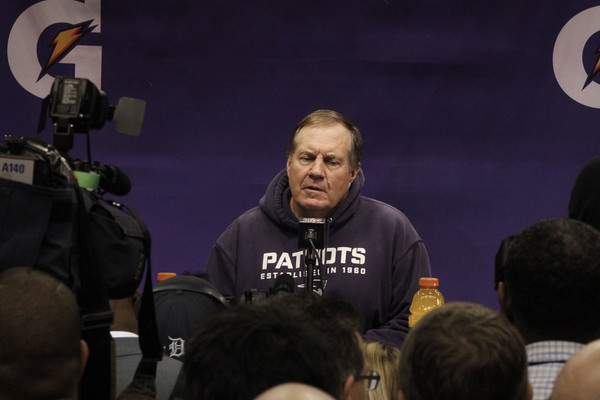
The irony is that history usually corrects this perspective.
The teams people complain about in the moment often become the teams future generations romanticize. Fans who once said they were tired of the Patriots later admitted they missed watching Tom Brady and Bill Belichick dominate together. The same happened with the Warriors. The same happened with the Bulls dynasty. Over time, annoyance transforms into respect because distance allows people to fully understand what they witnessed.
Greatness is usually appreciated more historically than emotionally in real time.
Personally, I have my favorite teams like everyone else. But sports become more enjoyable when you can separate personal bias from appreciation for excellence. You do not have to root for a dynasty to respect the discipline, leadership, talent, and organizational culture required to win year after year. Sustained success should not be treated like a crime in sports culture. If anything, it should remind us how difficult greatness truly is to maintain.
Because the reality is simple: everybody loves a winner until winning becomes normal.
Editorial comments expressed in this column are the sole opinion of the writer
Andre Calder | CEO
Solid Rock Productions| Music by Dalla | Joey Beatz
(800)766-1159
“ We make your vision a reality”
Office hours: 10am-6pm M-F
