
The article captures a moment of triumph, introspection, and strategic urgency for the American left following Zohran Mamdani's stunning election as mayor of New York City in 2025.
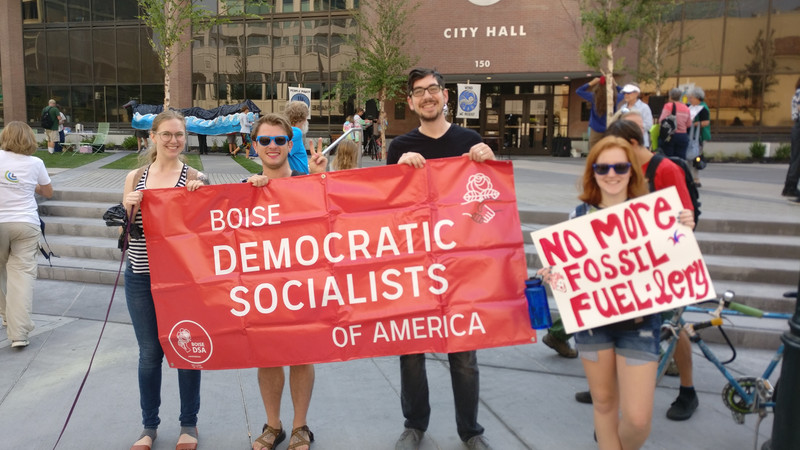
The piece opens with a vivid scene from the convention floor in New Orleans, where DSA members are celebrating a banner year of electoral breakthroughs. The atmosphere is electric: attendees are energized by recent victories, chief among them Mamdani's ascent to the mayoralty of America's largest city. As a DSA member and state assemblyman-turned-mayor-elect (and later mayor), Mamdani's success is portrayed as a watershed moment that demonstrates democratic socialism is no longer a fringe or disqualifying label for many voters, especially amid soaring income inequality and widespread frustration with establishment politics.
The author describes how the DSA, though still tiny compared to the major parties, has grown significantly in influence and membership since the mid-2010s, fueled by figures like Bernie Sanders (a democratic socialist but not a formal DSA member), Alexandria Ocasio-Cortez (a prominent NYC DSA chapter member), and now Mamdani. The convention serves as a celebratory yet forward-looking gathering, where members savor wins but immediately pivot to the question of what comes next: how to capitalize on this momentum without squandering it.
A core theme is the "high-pressure opportunity" facing DSA. Mamdani's victory—defeating a heavyweight, albeit scandal ridden candidate, like former Gov. Andrew Cuomo in the Democratic primary and then winning the general election—proves that explicitly socialist candidates can win in major urban centers by focusing on bread-and-butter issues like housing affordability, universal childcare, free or reduced-cost public transit, and taxing the wealthy to fund public goods. His campaign emphasized working-class-centered policies ("halalflation" videos highlighting cost-of-living issues were an early signature), which resonated broadly and shifted perceptions of socialism from abstract ideology to tangible solutions.
The article notes that many DSA-elected officials, including Mamdani, operate within the Democratic Party, highlighting the group's "inside-outside" strategy: building power through grassroots organizing while running and winning Democratic primaries. This approach is contrasted with the group's small size and occasional internal tensions (e.g., debates over congressional endorsements, where Mamdani urged restraint against challenging powerful Democrats like Hakeem Jeffries to preserve coalition-building for his mayoral agenda).
The New Orleans convention setting is used symbolically and practically. The same area where a truck attack was deemed an Islamic terrorist attack that occurred on January 1, 2025. FBI Victim Services has identified at least 57 individuals who were physically injured, in addition to the 14 deceased victims, during the New Year's Day attack.
While most of the piece focuses on national implications, the location subtly underscores the DSA's ambition to expand beyond coastal strongholds like New York. References to other cities (including New Orleans itself in related reporting) show progressive policies like property tax hikes for expanded childcare gaining traction even in non-traditional left areas, suggesting Mamdani's model could inspire similar efforts nationwide.
The opinion's tone is cautiously optimistic. The author portrays DSA as at a crossroads: galvanized by Mamdani's win, but under pressure to translate electoral success into governing power and broader national influence. There's acknowledgment of challenges ahead—internal divisions, pushback from business elites and mainstream Democrats, the difficulty of scaling local wins to the federal level, and the ever-present risk of overreach or co-optation.
The piece argues that this is a pivotal moment for American socialism. Mamdani's breakthrough has "legitimized" the label and created a blueprint for winning power by addressing material needs rather than purely cultural or symbolic fights. The DSA convention in New Orleans is depicted as a microcosm of this energy: joyful yet disciplined, reflective yet ambitious, with members plotting the next phase of organizing, recruiting, and running candidates who can govern as socialists in a deeply unequal society.
Overall, the article celebrates the left's progress while underscoring the intense expectations now placed on figures like Mamdani and organizations like DSA to deliver transformative change—starting in New York but with ripples far beyond.
Editorial comments expressed in this column are the sole opinion of the writer.
