
As an election observer with over four decades covering the intricacies of American democracy, I've witnessed how razor-thin margins can expose the vulnerabilities in our voting systems.
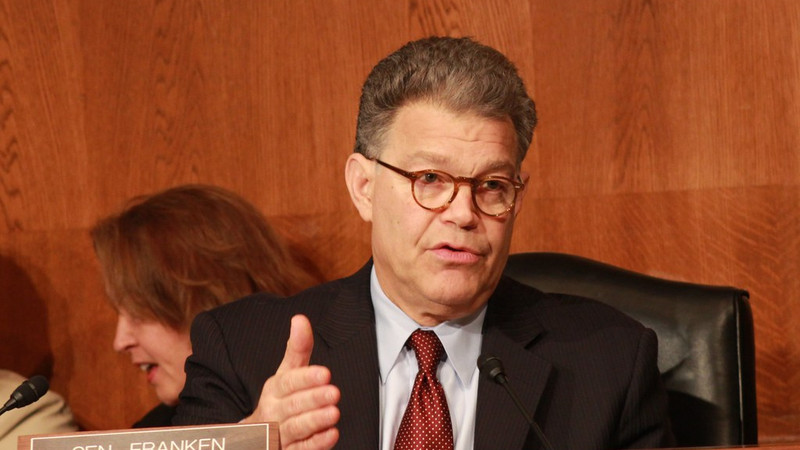
An examination of historical races—like Al Franken's 2008 Senate win in Minnesota and Dino Rossi's 2004 gubernatorial defeat in Washington—and their alleged ties to ongoing voter integrity debates is too similar to ignore.
I'll connect these races to contemporary issues involving Governors Tim Walz (D-MN) and Bob Ferguson (D-WA), including allegations of fraud in Somali-American communities and First Lady Dr. Jill Biden's 2022 visits to Minnesota promoting child care funds.
Drawing on facts, I'll pursue a non-partisan lens, highlighting verified events, reforms, and unresolved questions rather than unsubstantiated conspiracies.
Let's start with the 2004 Washington gubernatorial election, a textbook case of electoral chaos that amplified concerns over mail-in and absentee ballots. Republican Dino Rossi initially led Democrat Christine Gregoire by 261 votes out of nearly 2.9 million cast, based on the machine count.
A mandatory machine recount narrowed Rossi's lead to 42 votes, prompting a hand recount requested by Democrats. During this process, King County—Washington's most populous and Democratic-leaning area—discovered hundreds of previously uncounted absentee ballots in a warehouse, some mishandled due to administrative errors.
Gregoire ultimately won by 133 votes after these ballots were included, leading Republicans to cry foul over potential fraud and lax oversight.
Rossi challenged the results in court, alleging illegal votes from felons and deceased individuals, but a judge upheld Gregoire's victory in June 2005, citing insufficient evidence of widespread fraud.
The saga highlighted issues with Washington's hybrid system, where absentee ballots ( precursors to full mail-in voting) were common but prone to human error. By 2011, the state shifted to all-mail elections, a move praised for accessibility but criticized by some for security risks.
This race didn't just cost Rossi the governorship; it eroded public trust, with echoes in national debates over mail ballots during the 2020 election. Four years later, Minnesota's 2008 U.S. Senate race between Saturday Night Live comedian and writer, Democrat Al Franken and Republican incumbent Norm Coleman mirrored Washington's drama, intensifying scrutiny on absentee ballots and recounts. Coleman led by 215 votes on election night, but a recount flipped the result, giving Franken a 312-vote margin after eight months of legal battles.
Controversies, again, centered on rejected absentee ballots: Franken's team argued thousands were improperly dismissed due to technicalities like mismatched signatures or witness issues, while Coleman claimed fraud, including votes from ineligible felons.
A state canvassing board and courts eventually included many of these ballots, tipping the scale.
The Minnesota Supreme Court unanimously affirmed Franken's win in June 2009. A Washington judge upheld the election of Gov. Christine Gregoire.
This race, like Rossi's, underscored how absentee ballots—often used by overseas voters, the elderly, military and minorities—could become flashpoints in tight contests. It led to modest reforms in Minnesota, including better training for election officials, but critics argue it normalized prolonged disputes that undermine confidence.
These historical episodes "paved the way" for each other—Rossi preceded Franken—but they collectively fueled a national discourse on voter integrity, particularly around mail-in voting and Somali immigration advocacy. Washington, with its early adoption of high absentee rates, became a model (or cautionary tale) for other states. By 2020, amid the pandemic, mail ballots surged nationwide, reigniting old fears. In Minnesota, allegations of ballot harvesting in Somali-American communities emerged, notably in a 2020 Project Veritas video claiming illicit practices tied to Rep. Ilhan Omar's campaign.
A 2020 press release from a Republican lawmaker claimed "massive voter fraud" in Somali areas, but courts dismissed related lawsuits for lack of evidence.
Still, these claims persist, linking back to the absentee ballot debates of 2008.
Fast-forward to today, and the dots connect to Governors Walz and Ferguson through a web of political alliances and scandals. Bob Ferguson, Washington's Attorney General since 2013, won the 2024 gubernatorial race handily against Republican Dave Reichert, becoming governor in January 2025.
His relationship with Minnesota's Tim Walz appears collegial, rooted in shared Democratic priorities. In December 2025, Walz attended a $2,500-a-plate fundraiser in Seattle for Ferguson, amid Walz's own reelection preparations. He has announced he will not run amidst today's scandals.
The event drew criticism as Walz faced scrutiny over massive fraud in Minnesota's social programs, many benefiting Somali immigrants.
Federal probes have charged dozens in schemes defrauding child nutrition, autism services, and child care funds—totaling over $250 million since 2022.
The Feeding Our Future scandal, involving Somali-led nonprofits, saw convictions for wire fraud and money laundering, with funds allegedly siphoned for luxury goods.
Critics blame Walz's administration for lax oversight, especially as the Department of Justice ramped up investigations in late 2025.
Somali communities, while not monolithic, have been implicated.
Adding irony, Dr. Jill Biden visited Minnesota in February 2022 to tout federal investments in child care, joining Walz at the University of Minnesota's child development center.
She praised the American Rescue Plan's $39 billion for stabilizing providers, emphasizing affordability for families—including immigrant ones.
Walz echoed her, noting Minnesota's use of funds to support early education.
Yet, by 2026, some of these programs face fraud allegations, with a recent HHS rule closing loopholes that allowed payments without attendance verification.
This has fueled conservative narratives linking Biden-era spending to waste, though experts attribute issues to rapid fund distribution during COVID.
Walz and Ferguson's "cozy" ties with Somali communities in their states, seems standard party networking. As we approach future cycles, the real lesson is vigilance: robust audits, bipartisan oversight, prohibition of mail-in ballots to keep judges out of elections, and evidence-based reforms to safeguard democracy without disenfranchising voters. In a polarized era, distinguishing fact from frenzy is key, but the systems put in place and ripe for corruption from Rossi and Franken era lives on.
Editorial comments expressed in this column are the sole opinion of the writer.
