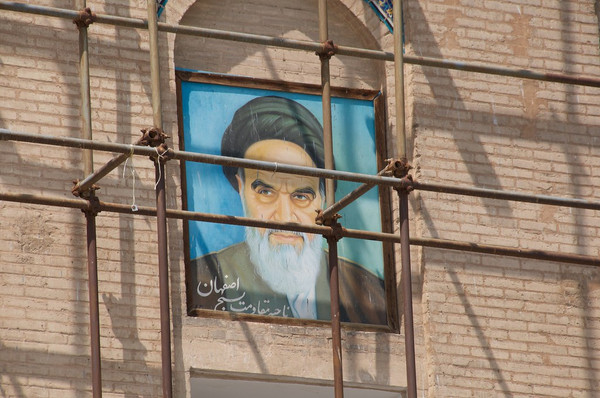
"America is the great Satan, the wounded snake" Iranian deceased Supreme Leader Ayatollah Ruhollah Khomeini November 5, 1979
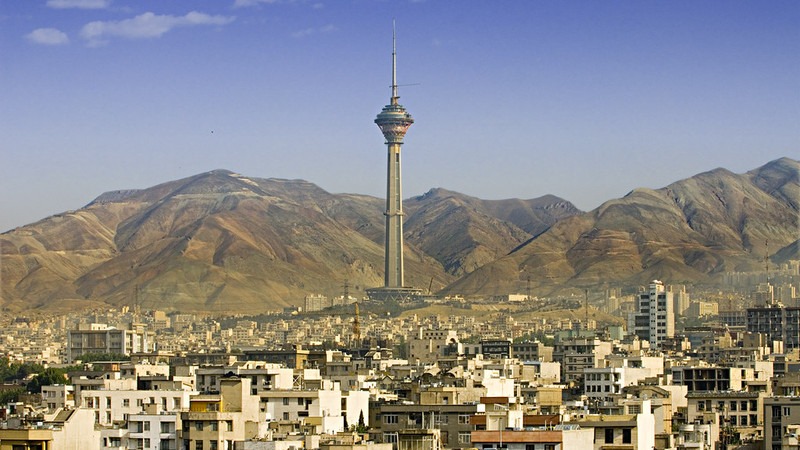
This legacy of violence defined the U.S.-Iran relationship as a seemingly permanent low-grade war. Sanctions under multiple presidents slowed but never stopped the machinery, while Iran’s nuclear program advanced in defiance of international agreements. Then came the second Trump administration. National Security Presidential Memorandum 2, signed weeks after the 2025 inauguration, reinstated a campaign of “maximum pressure.” That pressure turned kinetic during the twelve-day Iran-Israel war in 2025, when U.S. bombers struck the Natanz enrichment site. Strikes persisted into 2026, with American forces hitting targets in the Parchin military complex and other facilities tied to missile and drone production.
Still, any declaration of “peace in our time” remains premature. As of July 2026, Iranian centrifuges continue spinning near weapons-grade levels, and the regime is racing to bury new facilities under concrete at Pickaxe Mountain. Two weeks of recent U.S. strikes have not yet produced clear capitulation, and Trump has simultaneously threatened to destroy Iranian civilian infrastructure if attacks in the Strait of Hormuz continue. Iran’s support for terrorism is not merely a policy but an institutional feature of the Islamic Republic, embedded in the IRGC’s identity. True peace will require not just a signed agreement, but verifiable demilitarization of a regime built on forty years of anti-American militancy. The bombing may have forced Tehran to listen, but whether the killing is truly “all done now” depends on whether Iran chooses to become a normal nation—or merely waits for the explosions to stop.
Editorial comments expressed in this column are the sole opinion of the writer