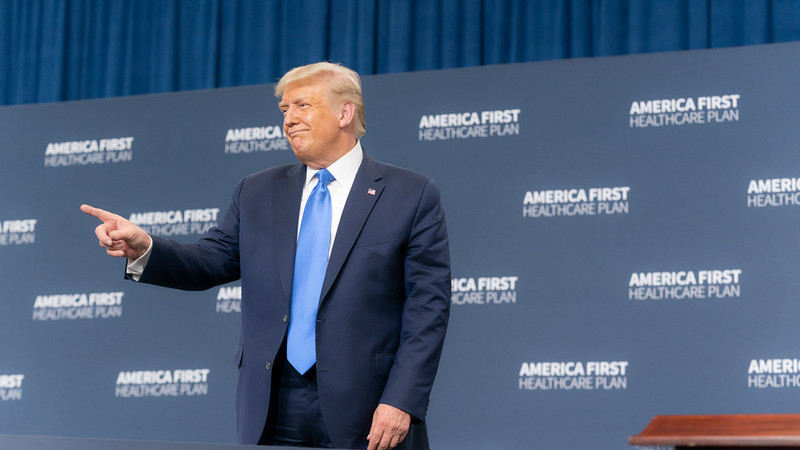
U.S. Ambassador to the United Nations Mike Waltz recently announced plans for an initial payment toward the billions of dollars in arrears the United States owes to the UN, while simultaneously articulating an "America First" approach to multilateral engagement. This development comes amid warnings from UN Secretary-General António Guterres about the organization's potential "imminent financial collapse."
According to reports from February 2026, the United States accounts for over 95% of the UN's regular budget arrears, owing approximately $2.19 billion by early February. Additionally, the US owes another $2.4 billion for peacekeeping operations and $43.6 million for UN tribunals, bringing the total debt to over $4.6 billion.
Waltz announced that "you'll certainly see an initial tranche of money very shortly," describing it as "a significant down payment on our annual dues." While the exact amount remains undetermined, Waltz indicated the payment would occur "in a matter of weeks." This announcement follows President Trump's signing of a congressional spending bill that includes $3.1 billion for US dues to the UN and other international organizations.
In his Fox News interview, Waltz rejected claims that unpaid US dues were primarily responsible for the UN's financial crisis. Instead, he emphasized the need for institutional reform. "Under President Trump, we're demanding reform at the United Nations," Waltz stated, suggesting that funding should be tied to accountability and efficiency.
Waltz's approach aligns with what he calls "burden sharing"—a key component of the administration's America First philosophy. He argues that while the US should fulfill its financial obligations, the UN must focus on core peace and security missions rather than expanding into areas where member states should take primary responsibility.
Notably, Waltz has been critical of what he views as mission creep and bureaucratic redundancy within the UN system. He has advocated for consolidating overlapping functions, particularly noting that seven separate UN agencies currently have climate change as their primary mission. "The UN bureaucracy has grown too large, and needs to be much more efficient and effective," he told reporters.
The planned payments appear to represent a tactical approach—fulfilling financial commitments while using them as leverage to advance reform objectives. Waltz emphasized that this strategy reflects "tough love" toward the organization, designed to make it "fit for purpose and focused, and stop trying to do everything for everyone."
As the United States moves forward with these payments, all eyes will be on whether this strategy of engagement combined with pressure for reform will yield meaningful changes at the United Nations or further strain US relations with other member states who may view conditions on funding as undermining multilateral principles.
Editorial comments expressed in this column are the sole opinion of the writer