
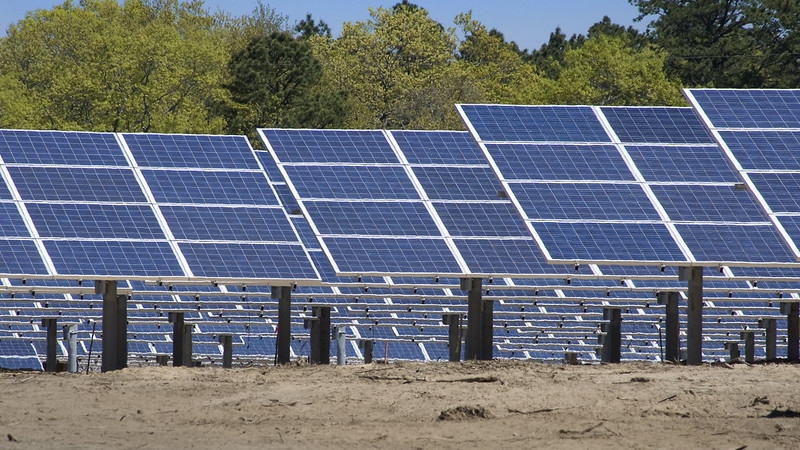
Residents of Stockton, Alabama are expressing strong opposition to a massive solar project that would convert 4,500 acres of land to panel arrays, a development approved by the Alabama Public Service Commission without adequate community input. The project, being developed by Nashville-based Silicon Ranch at a cost of approximately $300 million, is designed to power a new Meta data center in Montgomery, over 100 miles away from the proposed site.
The controversy stems from the lack of transparency surrounding the project's approval, which occurred on December 2, 2025, but was only recently discovered by local residents. Community members report feeling "blindsided" by the announcement and have quickly organized town hall meetings to voice their concerns.
At a recent packed meeting at the Stockton Civic Club, hundreds of residents demanded answers about the project's environmental impact, potential degradation of the nearby Mobile-Tensaw River Delta—often referred to as "America's Amazon"—and the implications for their rural way of life. The project would install solar panels manufactured by First Solar on roughly 2,000 acres of the 4,500-acre property, with the capacity to generate 260 megawatts of energy.
Environmental concerns center around the ecosystem fragility of the area, with residents particularly worried about potential contamination of water resources and habitat destruction. The project's proximity to the ecologically significant Tensaw River Delta has raised alarm bells among conservationists and local residents alike.
Reagan Farr, CEO and co-founder of Silicon Ranch, has acknowledged the community's concerns and emphasized that "solar done right can be a tremendous attribute for communities where we locate." The company has agreed to meet with residents in coming weeks to address questions about the project.
Local officials, including Baldwin County Commission Chairman Jeb Ball, have been caught unprepared by the public outcry and have expressed understanding of residents' concerns. The situation highlights growing tensions between renewable energy development and community preservation, particularly when large-scale infrastructure projects are approved without adequate local consultation.
The Stockton controversy represents a broader challenge facing the renewable energy transition: balancing climate goals with community rights and environmental preservation. As technology companies like Meta seek to power their data centers with renewable energy, questions of transparency, community engagement, and environmental stewardship have become increasingly central to these development discussions.
# Alabama Communities Protest Massive Solar Project
Residents of Stockton, Alabama are expressing strong opposition to a massive solar project that would convert 4,500 acres of land to panel arrays, a development approved without adequate community input. The project, developed by Nashville-based Silicon Ranch at approximately $300 million, powers a new Meta data center in Montgomery over 100 miles away.
The controversy stems from the lack of transparency surrounding the project's approval, which occurred on December 2, 2025, but was only recently discovered by local residents. Community members report feeling "blindsided" by the announcement and have quickly organized town hall meetings to voice concerns.
At a packed Stockton Civic Club meeting, hundreds of residents demanded answers about the project's environmental impact, potential degradation of the nearby Mobile-Tensaw River Delta—often called "America's Amazon"—and implications for their rural way of life. The project would install First Solar panels on roughly 2,000 acres of the 4,500-acre property, generating 260 megawatts of energy.
Environmental concerns center around ecosystem fragility, with worries about water contamination and habitat destruction. The project's proximity to the ecologically significant Tensaw River Delta has raised alarm bells among conservationists and residents alike.
Reagan Farr, Silicon Ranch CEO, acknowledged concerns and emphasized "solar done right can be tremendous for communities," with the company agreeing to meet with residents in coming weeks.
Local officials, including Baldwin County Commission Chairman Jeb Ball, were caught unprepared by the public outcry. The situation highlights growing tensions between renewable energy development and community preservation, particularly when large-scale infrastructure projects are approved without adequate local consultation.
This controversy represents a broader challenge facing the renewable energy transition: balancing climate goals with community rights and environmental stewardship. As companies like Meta seek renewable energy for data centers, questions of transparency, community engagement, and environmental stewardship have become increasingly central.
