
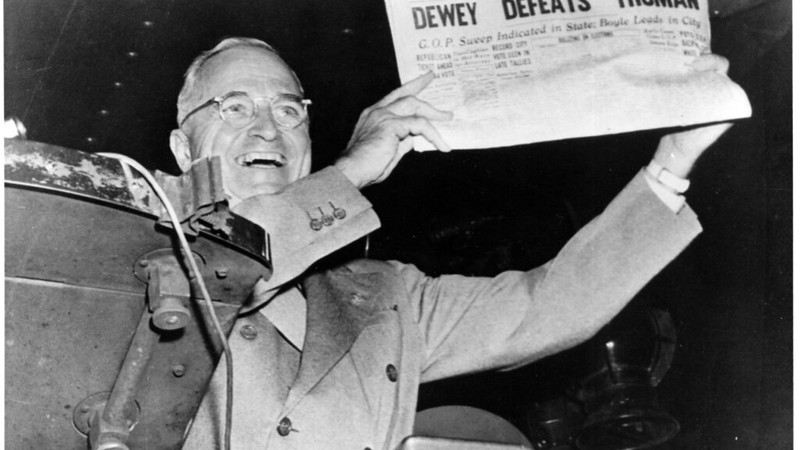
“Show me a man that gets rich by being a politician, and I'll show you a crook.”
― Harry Truman
In the shadow of escalating natural disasters, economic pressures, and political polarization, 2025 has emerged as a banner year for scandals involving the misuse of public funds. From wildfire relief siphoned by identity thieves in California to multimillion-dollar schemes defrauding vulnerable children in Minnesota and youth programs in Seattle, the pattern is alarming: trusted institutions entrusted with taxpayer dollars have become breeding grounds for greed. High-profile indictments, including that of U.S. Rep. Sheila Cherfilus-McCormick (D-FL) for pilfering federal disaster aid, compound the crisis. A wave of alleged mortgage fraud implicating prominent politicians from Adam Schiff to Letitia James, with Eric Swalwell and Thom Tillis caught in the crossfire of investigations, further fuels outrage. Adding insult to injury, congressional stock trading by figures like Rep. Mark Green (R-TN), former House Speaker Nancy Pelosi (D-CA), Rep. Marjorie Taylor Greene (R-GA), and Rep. Dan Crenshaw (R-TX) has ignited bipartisan fury, with accusations of insider trading turning Capitol Hill into a Wall Street annex. These cases, totaling hundreds of millions in losses and suspicious gains, expose systemic vulnerabilities and raise profound questions about accountability in an era of unchecked partisanship.― Harry Truman
California's relentless wildfires, exacerbated by climate change, have long strained state resources. In 2025, however, fraud has turned tragedy into farce. The Palisades Fire, which scorched thousands of acres in January, left families like Stefan and Judy Wiag homeless and desperate for Federal Emergency Management Agency (FEMA) aid. Instead, they discovered their identities had been stolen, with fraudsters filing bogus claims on their behalf. "Your identity has been stolen and someone has filed a FEMA claim on your property," a FEMA agent informed Wiag, a USC professor, echoing a surge in such incidents that blocked legitimate victims from assistance.
This isn't isolated. Federal Bureau of Investigation (FBI) reports indicate a spike in identity theft targeting fire-affected households, with scammers exploiting lax verification to claim reimbursements for nonexistent damages. Los Angeles County officials warned survivors of "stolen identity fraud and other disaster recovery scams," urging vigilance against phony contractors and fake aid portals. By mid-year, estimates pegged losses at millions, diverting funds meant for rebuilding. Governor Gavin Newsom responded with bipartisan legislation, including SB 394 to curb water theft from fire hydrants during emergencies—a nod to opportunistic looting amid chaos. Yet, as one victim lamented, "We've seen the best of humanity and the worst," highlighting how fraud preys on the vulnerable while first responders battle blazes.
The broader context? California's Organized Retail Crime Task Force recovered $8.6 million in stolen goods through 800 arrests by November, but disaster-specific fraud evades such nets. Critics argue underfunded oversight, coupled with a post-pandemic rise in financial desperation, has created a perfect storm.
Far from the West Coast's flames, Minnesota's heartland grappled with a different inferno: the systematic looting of funds for autistic children. The Early Intensive Developmental and Behavioral Intervention (EIDBI) program, designed to support youth under 21 with autism spectrum disorder, ballooned from $6 million in spending in 2018 to $192 million by 2023—a 3,000% surge that screamed foul play.
In September, federal prosecutors charged Asha Farhan Hassan, 28, with wire fraud for orchestrating a $14 million scheme through her Minneapolis-based Smart Therapy Center. From 2019 to 2024, Hassan allegedly billed Medicaid for unrendered services, inflated claims, and paid kickbacks—up to $1,500 per child—to parents for enrolling kids in sham therapies. This wasn't a lone wolf; it's part of a "web" linking to the infamous $250 million Feeding Our Future scandal and a $61 million Housing Stabilization Services fraud.
Acting U.S. Attorney Joseph H. Thompson warned of "billions" stolen, with chilling ties to Somalia's al-Shabab terror group via hawala networks—informal cash transfers funneling U.S. taxpayer money abroad. Governor Tim Walz proposed a $39 million anti-fraud package, including AI tools and 20% stiffer penalties for theft, but skeptics point to ignored red flags: provider numbers exploded 700% in five years. As one report lamented, state government "kept allowing the theft" despite warnings, leaving autistic families in the lurch.
In the Pacific Northwest, Seattle's progressive ideals clashed with fiscal reality. A damning August audit by King County revealed potential multimillion-dollar fraud in juvenile diversion programs, meant to steer at-risk youth from the criminal justice pipeline. The Department of Community and Human Services (DCHS), overseeing 90% of county grants, saw funding skyrocket from $22 million in 2019-2020 to $1.5 billion in 2023-2024—yet basic monitoring vanished.
Programs like Restorative Community Pathways, Family Intervention and Restorative Services, and Stopping the School-to-Prison Pipeline funneled $34 million across 36 contracts, but auditors uncovered altered invoices (one padded from $1,000 to $7,000), unapproved subcontractors, and payments for nonexistent services. "Lax oversight allowed potential fraud," the report stated, implicating the Best Starts for Kids levy—a voter-approved initiative for equity. No exact loss figure emerged due to shoddy records, but experts estimate millions squandered on "racism healing" workshops that never materialized.
Council members decried the "sheer scope," vowing reforms, but the scandal underscores a national trend: ballooning social grants without safeguards.
Florida's political waters boiled over in November when Rep. Sheila Cherfilus-McCormick faced indictment for stealing $5 million in FEMA funds. Her family's Trinity Healthcare Services received an overpayment in 2021 for COVID-19 vaccination staffing, which she and co-defendants allegedly laundered through shell accounts and straw donors to fuel her congressional bid. Charged with theft, money laundering, and conspiracy, Cherfilus-McCormick defiantly proclaimed innocence, but prosecutors painted a portrait of self-enrichment at taxpayers' expense.
This case, amid Florida's hurricane-ravaged recovery, symbolizes how disaster dollars—intended for the needy—morph into political war chests.
Capping the fiscal fraud wave is a partisan-tinged mortgage scandal ensnaring elites. Sen. Adam Schiff (D-CA) faces probes for falsely claiming Maryland and California homes as primary residences to snag lower rates and taxes since 2003, omitting disclosures until 2011. The DOJ is scrutinizing the investigation's handling, amid allegations of Trump ally interference by FHFA Director Bill Pulte and DOJ's Ed Martin (HLJ Ep170).
Rep. Eric Swalwell (D-CA) countersued Pulte for Privacy Act violations after a referral accused him of similar fraud on his $1.2 million D.C. townhouse. "A gross abuse of power," Swalwell charged, targeting Trump critics.
NY AG Letitia James' case imploded when a judge dismissed charges for an illegally appointed prosecutor, but not before exposing Fannie Mae doubts on her Virginia property claims. Sen. Thom Tillis (R-NC), while not directly indicted, navigated the fallout, criticizing probes into Fed Gov. Lisa Cook while defending GOP fiscal orthodoxy amid broader fraud scrutiny.
As if outright theft weren't enough, 2025 saw congressional stock trading explode into a full-blown ethics crisis, with lawmakers like Mark Green, Nancy Pelosi, Marjorie Taylor Greene, and Dan Crenshaw accused of leveraging insider knowledge for personal gain. Bipartisan bills to ban such trades advanced in Congress, but resistance from entrenched players highlighted the rot.
Rep. Mark Green (R-TN), House Homeland Security chair, topped lists for market-beating returns, with his portfolio surging 400% in 2023 alone, per Unusual Whales data. Trades in energy giants like NGL Energy Partners and Energy Transfer—$9.12 million in volume—coincided with closed-door briefings on oil policies he influenced. A 2022 STOCK Act violation for late disclosure of a $250,000 NGL buy ballooned into 2025 scrutiny, as Democrat Megan Barry's ads accused him of "abusing" his seat. Green's broker-handled excuse rang hollow amid calls for investigation.
Nancy Pelosi's saga dominated headlines, her $250 million net worth ballooning via $59 million in 2023-2025 trades, per Capitol Trades. Husband Paul Pelosi's Nvidia call options bought at $113-134 in 2024 yielded 40% gains by year's end, while Microsoft buys at $348 in 2023 hit $497. Sen. Rick Scott demanded a GAO audit of her "unusually high returns," echoing Trump's July call for insider trading probes. Pelosi's retirement announcement in November sparked "Pelosi Tracker" frenzy on X, with 1.2 million followers mimicking her tech-heavy bets on Apple, Alphabet, and Amazon. Defenders noted no illegality, but her Visa dump before a DOJ suit revived "queen of investing" memes tinged with corruption.
Marjorie Taylor Greene's trades screamed opportunism. In April, amid Trump's tariff chaos, she bought $21,000-$315,000 in Apple, Nvidia, Tesla, and Amazon stocks on April 8-9—the day before Trump's pause announcement spiked markets 18%.
She dumped $50,000-$100,000 in Treasury bills, profiting as stocks rebounded. Democrats like Hakeem Jeffries decried "corruption in real time," demanding SEC probes; even GOP Rep. Mike Lawler called it "appearance of impropriety." November filings revealed $15,000-$50,000 buys in ADP and Paychex—firms tied to her oversight committees—up immediately post-trade. Greene's net worth jumped $21 million since 2021, per Benzinga, fueling her surprise November resignation amid Epstein files and Trump fallout. "Go to hell," she snapped at net worth slander.
Dan Crenshaw (R-TX) downplayed the din, ranting in November that bans were "number 1000 on my priority list." His 2020 COVID trades—up to $90,000 undisclosed until amended—drew ethics complaints, as did 2025 accusations of $10,000 in stocks beating markets via briefings. A February hot-mic threat to "f**king kill" Tucker Carlson amplified a complaint citing STOCK Act violations and campaign finance lapses. Crenshaw's sarcasm—"Don't let us trade stocks. How about we cut our paychecks?"—irritated conservatives, with X users branding him a RINO.
These trades, amid ETHICS Act pushes by Sens. Hawley and Ossoff, underscore hypocrisy: 86% of Americans back bans, yet lawmakers resist, pocketing millions while preaching fiscal restraint.
2025's scandals—$14 million from autistic kids, millions from Seattle's youth, $5 million from FEMA, untold wildfire aid, politicized mortgages, and stock windfalls exceeding $100 million—tally losses eroding faith in governance. As Thompson noted, these "webs" demand dismantling through tech, penalties, and transparency. Yet, with partisanship weaponizing justice and trades, reform feels distant. Taxpayers deserve better: audits, not alibis; accountability, not excuses. Until then, the theft continues—not just of funds, but of trust.
Editorial comments expressed in this column are the sole opinion of the writer.
