

Jeffrey Balash's ZeusThink essay delivers a provocative strategic thesis: while global markets, media, and Western policymakers remain fixated on the immediate crisis in the Strait of Hormuz, Beijing is quietly executing a long-term economic and geopolitical calculus that could reshape the global order. The article's provocative tagline—"While you were watching Hormuz, Xi Jinping was doing the math"—captures the central argument that the Hormuz confrontation represents not merely an energy crisis but a dangerous diversion of strategic attention from what matters most.
The article establishes its premise by acknowledging the visceral reality of the Hormuz crisis. With approximately 25% of global seaborne oil trade passing through this narrow chokepoint, any disruption triggers immediate economic shockwaves. Oil prices have spiked, insurance premiums have surged, and energy-dependent economies face immediate inflationary pressure. The Western response—military posturing, sanctions rhetoric, and emergency reserve releases—follows predictable patterns of crisis management. Balash argues this reactionary approach is precisely the problem.
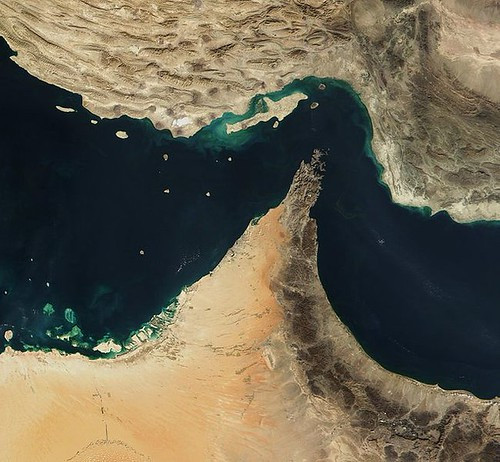
Balash's analysis of Xi Jinping's calculations is particularly sharp. China, as the world's largest oil importer, certainly suffers from Hormuz disruptions, but Beijing has spent two decades diversifying supply routes and building strategic petroleum reserves specifically for this contingency. The crisis validates China's energy security investments while exposing American strategic overstretch. Xi recognizes that temporary energy pain buys China a window to advance its technological and economic objectives without American pushback.
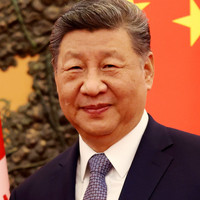
The article warns that this pattern—Middle East crises distracting from Great Power competition—is neither new nor accidental. Beijing may not have engineered the Hormuz closure, but it certainly benefits from Washington's inability to focus. While analysts debate peak oil prices and shipping routes, China continues its pursuit of technological sovereignty, particularly in critical areas like semiconductors, electric vehicles, and battery technology—the actual trillion-dollar battlegrounds of the 21st century.

Balash concludes with a sobering assessment for Western leaders: tactical crisis management must not substitute for strategic vision. The Hormuz distraction serves as a case study in how fixation on immediate threats enables long-term strategic displacement. As the world watches tanker routes, Beijing builds the industrial infrastructure that will determine the next century's power distribution. The true trillion dollar blind spot, Balash suggests, is our collective inability to distinguish between what captures headlines and what shapes history.
Editorial comments expressed in this column are the sole opinion of the writer
