
When DL Hughley suggests black athletes boycott Southeastern Conference schools over political grievances, he ignores a fundamental economic truth: SEC football has created more black millionaires than virtually any other institution in the American South since Reconstruction. This isn't about politics—it's about generational wealth transfer on a scale that civil rights legislation alone never achieved.
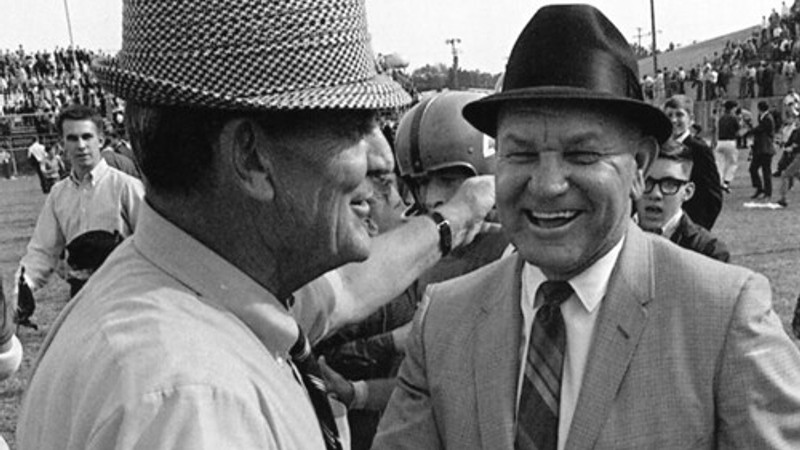
The 1970 drubbing of Alabama by a Pac-8 USC squad led by African American fullback Sam "Bam" Cunningham—who ran for 135 yards and two touchdowns in a 42-21 Trojan victory at Birmingham's Legion Field—served as the catalyst for Bear Bryant's long-overdue integration of Crimson Tide football. Legend holds that Bryant brought Cunningham into the Alabama locker room afterward, telling his all-white team, "This is what a football player looks like," and the humbling defeat crystallized what Bryant had already suspected: that the Crimson Tide could no longer compete for national championships while ignoring black athletes. Within months, Bryant aggressively pursued African American recruits, signing Wilbur Jackson as the school's first black scholarship football player in 1970 and accelerating the integration of the entire Southeastern Conference. The walls of segregation that had kept black athletes from southern football programs for decades crumbled not through court orders or moral persuasion alone, but through Bryant's pragmatic recognition that supremacy in the sport demanded access to the full talent pool—a realization that would ultimately transform the SEC into the dominant force it became and open unprecedented pathways to wealth and glory for generations of black athletes.
Consider Herschel Walker, who arrived at the University of Georgia in 1980 from rural Wrightsville, Georgia. Walker didn't just win a Heisman Trophy; he became the template for how southern football could transform economic destinies. His success at Georgia led to a USFL contract worth millions, followed by a legendary NFL career and business ventures that created generational wealth for his family. But Walker's impact extends far beyond himself—he demonstrated to thousands of young black men that excellence in the SEC could be the foundation of lasting prosperity.
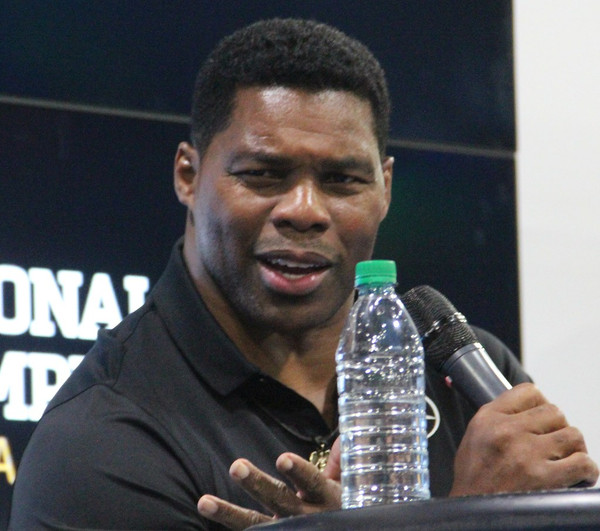
Walker represents the first wave: the athletic scholarship as economic mobility engine. For a kid from rural Georgia, UGA provided not just a free education but a platform. The SEC's media machine amplified his brand, creating endorsement opportunities that simply didn't exist at smaller schools.
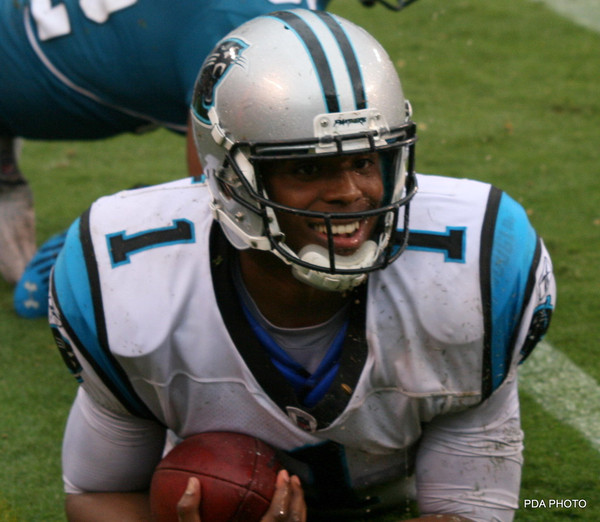
Fast forward three decades to Cam Newton at Auburn University. Newton arrived in the SEC under controversy, but what he built at Auburn fundamentally changed how we view college athletics and wealth creation. His Heisman-winning 2010 season transformed him from a junior college transfer into the NFL's #1 overall pick and a $100+ million contract earner.
But Newton's real wealth story illustrates modern SEC economics. His brand—built on the SEC's massive media platform—created business opportunities extending far beyond football. His clothing line, production company, and various endorsements were all leveraged off his SEC stardom. The conference's ESPN and CBS deals put Newton in living rooms nationwide, creating a brand value that persists years after his retirement.
The case is even stronger today with Name, Image, and Likeness (NIL) opportunities. In 2023 alone, SEC athletes earned an estimated $200+ million in NIL deals, with black athletes capturing a disproportionate share of these earnings. Alabama quarterback Bryce Young signed deals worth over $1 million before playing a single down. LSU's Angel Reese built a brand worth an estimated $1.4 million annually—while still in school.
These aren't just athletes; they're entrepreneurs learning to monetize their brands on the largest stage in college sports. The SEC's viewership—averaging 3-4 million viewers per game—provides a platform that no HBCU, mid-major, or non-southern program can match. When a black athlete signs with Georgia, Alabama, or LSU, they're gaining access to a media market comparable to professional sports.
The NFL Draft statistics tell the story. Since 2000, the SEC has produced 516 first-round draft picks—more than any other conference. Approximately 75% of these players are black. First-round picks sign contracts averaging $15-30 million guaranteed. Second and third-round selections still earn life-changing money.
Consider the defensive linemen factory that Nick Saban built at Alabama. Players like Jonathan Allen, Daron Payne, Quinnen Williams, and Will Anderson all became multi-millionaires through the NFL draft pipeline that runs directly from Tuscaloosa. Or the wide receiver assembly line at LSU: Odell Beckham Jr., Jarvis Landry, Ja'Marr Chase, and Justin Jefferson all parlayed their SEC stardom into contracts worth over $100 million combined.
Look at the support staff ecosystem. Strength coaches, recruiting coordinators, and player development staff at SEC schools often earn $200,000-500,000 annually. These positions disproportionately employ former black athletes who transitioned from playing to coaching.
The wealth generation extends beyond individual athletes. When a black athlete from inner-city Birmingham or rural Mississippi signs an NFL contract worth $50 million, that money flows back to families and communities. Houses get purchased, businesses get started, cousins get college tuition, and churches get tithes. This is trickle-down economics that actually works.
Take Patrick Surtain II, son of an NFL player, who went to Alabama and became a top-10 draft pick with the Denver Broncos. Or Derek Stingley Jr., whose LSU career led to a $30+ million guaranteed contract. These are young black men who entered their 20s with more wealth than their grandparents could have imagined.
Hughley's boycott suggestion ignores what happens without SEC football. For many young black men from economically disadvantaged backgrounds, the alternative isn't a political statement—it's limited economic opportunity. The NCAA reports that football provides educational opportunities to roughly 27,000 black men annually, with the SEC representing the elite tier of this pipeline.
The graduation rates for black athletes at SEC schools have improved dramatically, with many programs graduating 70-80% of their black athletes. These young men leave with degrees, networks, and life experience that transcend football.
Southern football—particularly SEC football—hasn't been perfect. But to suggest abandoning the single greatest wealth-creation vehicle for young black men in the South's history over political grievances is to cut off the nose to spite the face. From Herschel Walker's pioneering path to Cam Newton's brand-building blueprint to today's NIL millionaires, the SEC has created a black athletic aristocracy that extends economic power to communities starved for opportunity.
This isn't about redistricting lines on a map. It's about the bottom line on paychecks that feed families, buy houses, and create generational wealth. The data is unambiguous: southern football has created more black millionaires than any southern institution since Reconstruction. That's a record that speaks louder than any political boycott ever could.
Editorial comments expressed in this column are the sole opinion of the writer

