
In April 2026, El Cajon ('the box') Mayor Bill Wells and the America First Policy Institute (AFPI) filed suit in San Diego County Superior Court against California Attorney General Rob Bonta, arguing that the state’s sanctuary law—Senate Bill (SB) 54, the California Values Act—has blocked local police from conducting wellness checks on vulnerable children, including potential victims of sex trafficking.
The lawsuit centers on a core contention: that SB 54 places local law enforcement in conflict between federal and state obligations, effectively preventing officers from responding to tips involving undocumented minors. Wells has publicly cited a specific incident in which El Cajon police received a tip concerning approximately 52 unaccompanied children believed to be undocumented and suspected victims of sex trafficking. According to the mayor and the lawsuit, city attorneys advised police that SB 54’s strict limits on cooperation with federal immigration authorities barred them from carrying out a welfare check alongside or at the request of federal agencies. The city and AFPI argue that this interpretation of SB 54 leaves children in unsafe conditions and undermines anti-trafficking efforts.
SB 54, enacted in 2017, restricts state and local resources from being used to assist federal immigration enforcement. Among its provisions, the law prohibits local agencies from inquiring about immigration status, participating in immigration arrests on civil warrants, sharing certain personal information with Immigration and Customs Enforcement (ICE), and notifying ICE of release dates in most circumstances. The law does include exceptions for individuals convicted of serious or violent felonies and certain crimes, but the parties bringing the suit argue that these carve-outs are insufficient when police need to respond rapidly to tips about at-risk children living unsupervised with adults.
Wells, a vocal critic of California’s sanctuary policies, stated at a press conference that the suit “may be one of the most important days of my life.” He and AFPI contend that the federal government’s interest in preventing human trafficking and protecting minors should preempt the state restrictions. Mike Garcia, a former congressman and chairman of AFPI’s California chapter, framed the suit as necessary to “restore the rule of law” and relieve officers from having to “choose between abiding by federal law or state laws.”
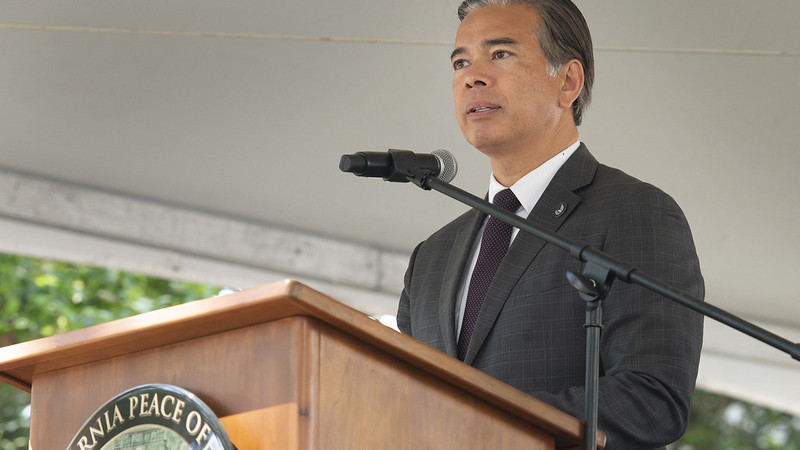
Opponents, including the California Department of Justice, have dismissed the lawsuit as a political maneuver. Attorney General Bonta responded by predicting another legal loss for El Cajon. Critics note that SB 54 survived a previous challenge by the Trump administration, with the Ninth Circuit Court of Appeals upholding the law in 2019 and the U.S. Supreme Court declining review. El Cajon taxpayers, observers caution, could ultimately bear the cost of the litigation.
The dispute highlights a deepening tension between state autonomy over immigration enforcement and federal priorities under the Trump administration. As the case proceeds in San Diego Superior Court, it will test whether the court accepts the argument that SB 54’s enforcement boundaries extend so far as to block wellness checks for potential trafficking victims—a claim that, if substantiated, could force a re-examination of how sanctuary laws intersect with child-protection and anti-trafficking protocols.
