
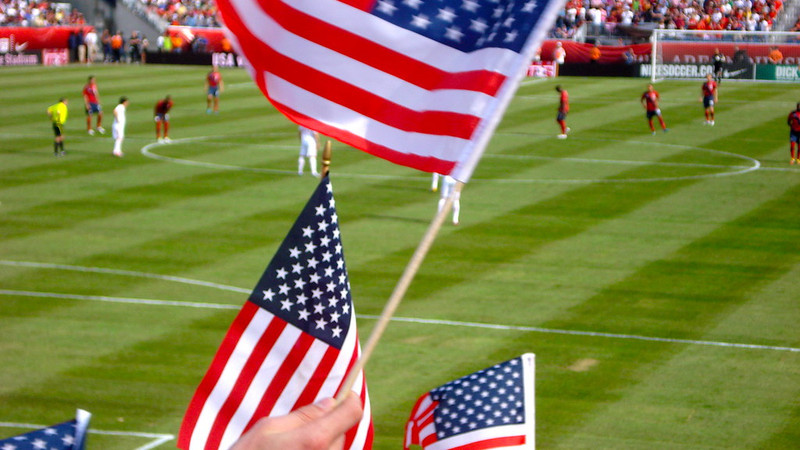
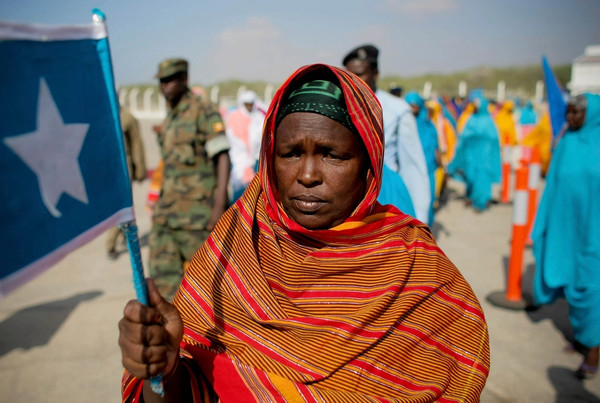
That said, the anger underlying the reaction deserves a reasoned answer. Why should Americans feel profound pride in their republic at 250, and what does the American flag represent that the banner of Somalia does not?
The United States of America remains the longest-running constitutional republic in human history. Born of an idea—that government derives its just powers from the consent of the governed, and that individual rights are inherent, not granted by monarchs or mobs—it changed the trajectory of the world. In 1776, the notion that ordinary people could govern themselves was radical. Within a century, that idea had toppled aristocracies across the Atlantic and inspired liberation movements on every continent.
America’s story is not one of perfection, but of purposeful correction. The same nation that once tolerated slavery sacrificed 360,000 of its own sons to abolish it. The same republic that once denied women the vote saw them ascend to the vice presidency and the heights of industry. The same union that enforced Jim Crow passed the Civil Rights Act and witnessed the two elections of a Black president. The American experiment is distinguished not by the absence of sin, but by its stubborn capacity for repentance and renewal.
On the world stage, the American flag has meant liberation. It flew over the beaches of Normandy, over a divided Berlin, and over a liberated Kuwait. American power ended the Holocaust, contained Soviet tyranny, and today underwrites the security of Europe and Asia. American ingenuity gave the world powered flight, the polio vaccine, the internet, and the microprocessor. American culture—born of a free marketplace of ideas—has produced literature, music, and film that shape global civilization. When catastrophe strikes, from tsunamis to earthquakes, it is the American military and private citizenry who mobilize first and give most generously.
Most tellingly, America is the destination of choice for the world’s oppressed. Somali refugees do not flee Minneapolis to seek prosperity in Mogadishu. They flee Mogadishu to build lives in Minneapolis. The direction of human traffic reveals the verdict of humanity on which system offers dignity and opportunity.
Contrast this with what the Somali flag currently represents at the state level. Since the collapse of the Siad Barre regime in 1991, Somalia has endured decades of state failure, clan-based warfare, and humanitarian catastrophe. The nation became a synonym for piracy, as armed gangs terrorized international shipping lanes off the Horn of Africa. Al-Shabaab, an Islamist terrorist organization, has butchered civilians across Somalia and the region, from Mogadishu to Nairobi. Famine has cycled through the country with horrifying regularity. Governance has often been reduced to a contest of warlords, with a fragile federal government struggling to assert authority beyond heavily fortified compounds. The African Union and international peacekeepers have been required to prevent total anarchy. Somalia consistently ranks among the world’s most fragile states.
On July 4, 2026, Americans have every reason to hoist Old Glory with gratitude. The flag represents a nation that, across two and a half centuries, has defended liberty, absorbed and integrated wave after wave of newcomers, and remained the indispensable bulwark of a free world. It represents a Constitution that still governs, markets that still innovate, and a citizenry that still believes the best chapters are yet unwritten.
Of course, the Somali flag was stolen from the City of Buffalo flagpole in Niagara Square, just hours after it was raised to honor Somalian Independence Day.
Those who would subordinate this anniversary to the banner of a failed state—whether in fact or in spirit—confuse celebration of ethnic heritage with the moral equivalence of political systems. Somali-Americans have every right to honor their roots on July 1. But on July 4, the American flag needs no apology and accepts no equal. Two hundred fifty years of ordered liberty, economic abundance, and global benevolence speak for themselves. America is not merely worthy of pride; it remains mankind’s last, best hope.
Editorial comments expressed in this column are the sole opinion of the writer

