The American healthcare landscape is experiencing unprecedented transformation, marked by significant policy shifts, legal challenges, and growing disillusionment within the medical community. Three recent developments highlight this turning point: the U.S. withdrawal from the World Health Organization, the targeting of the American Academy of Pediatrics through both funding cuts and a federal RICO lawsuit, and the increasing chorus of physicians speaking out about systemic failures in American medicine.
On January 20, 2025, President Donald Trump signed Executive Order 14155, formally initiating the United States' withdrawal from the World Health Organization (WHO). This decision, which culminated in the official exit on January 22, 2026, was grounded in what the administration described as the WHO's "profound failures" during the COVID-19 pandemic, its refusal to implement necessary reforms, and its lack of independence from political influences—particularly from China.
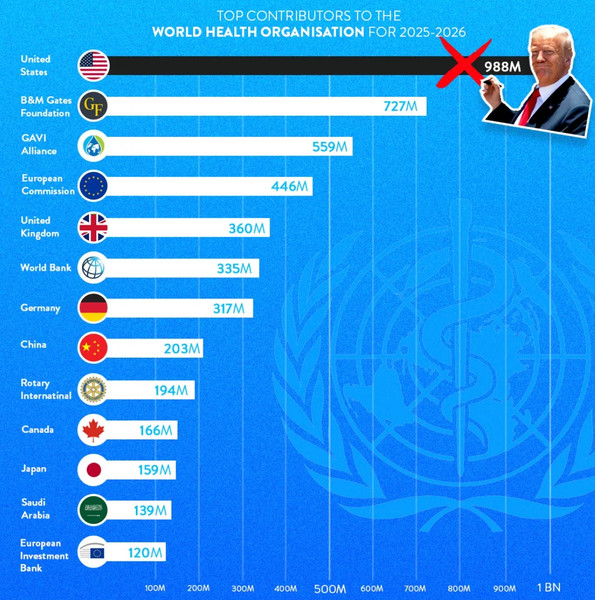
The withdrawal process followed the required one-year notice period stipulated in WHO regulations. The administration pointed out disparities in funding contributions, noting that while China has a population 300% larger than the United States, it contributes nearly 90% less to the WHO budget. Critics of the WHO also highlighted its pandemic treaty approved in May 2025, which they argued would enable "fast-tracked experimental vaccines, top-down emergency mandates, digital vaccine passports, expanded cross-border surveillance, and coordinated censorship of dissenting scientists and physicians."
The decision sent shockwaves through the global health community, leaving the WHO without its largest financial contributor and raising questions about the future of international health cooperation. Supporters of the withdrawal viewed it as a necessary step toward reclaiming American health sovereignty, while opponents warned of potential consequences for global disease surveillance and response capabilities.
Simultaneously, the American Academy of Pediatrics (AAP) found itself under unprecedented attack from multiple directions. In December 2025, the Department of Health and Human Services (HHS) abruptly terminated seven grants totaling nearly $12 million that supported critical child health programs. These programs addressed issues including reducing sudden infant death syndrome, expanding pediatric care in rural communities, supporting adolescent mental health, early identification of autism, and prevention of fetal alcohol spectrum disorders.
The AAP characterized these cuts as "retaliatory" actions following their opposition to the administration's revised vaccine policies. Under Health Secretary Robert F. Kennedy Jr., the CDC had reduced its childhood vaccine recommendations from 18 to 11, no longer broadly recommending protection against flu, rotavirus, hepatitis A and B, some forms of meningitis, or RSV.
In response to the funding cuts, the AAP filed a lawsuit alleging retaliation for exercising free speech rights. In January 2026, a federal judge ordered the restoration of the funding, noting that the cuts appeared intended to punish the group for its public health positions. Judge Beryl Howell ruled that the cuts likely had a "retaliatory motive."
Compounding the AAP's challenges, Children's Health Defense (CHD) filed a federal RICO lawsuit against the organization in January 2026. The lawsuit, filed on behalf of parents and physicians including Dr. Paul Thomas and Dr. Kenneth Stoller, alleged that the AAP had engaged in a "decades-long racketeering scheme that deceived the American public about vaccine safety."
The complaint specifically accused the AAP of making blanket, unqualified claims that the childhood vaccine schedule is "safe and effective" without proper safety testing, particularly regarding cumulative effects. It alleged that the AAP had blocked or misrepresented cumulative-risk studies and used its institutional control over pediatricians to maintain high vaccination rates, creating a financial ecosystem dependent on vaccine manufacturer funding and incentive-driven vaccination practices.
The RICO lawsuit represents a significant escalation in the legal battles over vaccine safety, potentially setting a precedent for how medical organizations can be held accountable for their public health statements. If successful, it would force greater transparency about the actual evidence backing vaccine safety claims.
While these policy and legal battles unfolded, a growing chorus of medical professionals began speaking out about fundamental failures within the American healthcare system. Former New York Times reporter Alex Berenson featured several physicians' accounts that revealed deep-seated problems in medicine.
Dr. Timothy Logemann, a retired cardiologist, expressed concern about the impending financial collapse of the American medical system. He noted that private health insurance costs have become unsustainable, reaching as high as $50,000 annually in some states. He identified multiple factors contributing to a system that "too often hurts, rather than helps," including liability fears, push for costly new technology, drug and hospital advertising, patient pressure, and problematic reimbursement structures.
Other physicians echoed similar sentiments about system dysfunction. Primary care doctors described overwhelming administrative burdens, diminishing time with patients, corporate healthcare models that prioritize profits over patient care, and the erosion of medical autonomy. Many expressed frustration that despite their extensive training and expertise, they felt constrained by guidelines dictated by pharmaceutical and insurance company interests.
These accounts reveal a crisis of morale within the medical profession, with many physicians reporting burnout, disillusionment, and even regret about their career choices. This internal crisis has significant implications for patient care, as disengaged physicians cannot provide optimal medical treatment.
These three developments—withdrawal from the WHO, targeting of the AAP, and physicians speaking out about systemic failures—are interconnected manifestations of a broader transformation in American healthcare. They represent challenges to institutional authority, questioning of established medical consensus, and growing demand for transparency and accountability.
The withdrawal from WHO reflects skepticism about international health authorities and their ability to act independently of political and corporate influences. The challenges to the AAP represent similar questioning of domestic medical institutions, particularly regarding vaccine policy and financial relationships with pharmaceutical companies. The physicians speaking out about systemic failures highlight how these institutional issues affect frontline medical practice.
This confluence of developments suggests a potential realignment of American healthcare, with power shifting from established institutions toward more diverse voices and approaches. It also reflects a broader societal shift toward questioning traditional sources of authority and demanding greater individual sovereignty in health decisions.
As these developments continue to unfold, several questions emerge about the future of American healthcare and global health governance:
-
How will the U.S. withdrawal from WHO affect global disease surveillance and response capabilities, particularly for pandemics?
-
Will the legal challenges to the AAP's vaccine recommendations result in greater transparency about vaccine safety research and potential conflicts of interest?
-
Can the concerns raised by physicians about systemic healthcare failures lead to meaningful reforms that prioritize patient care over profits?
-
How will the diminishing trust in traditional medical authorities be addressed, and what new models of healthcare provision might emerge?
The answers to these questions will shape the future of healthcare for years to come. What appears certain is that the status quo is increasingly untenable, and significant changes are likely in how healthcare is governed, delivered, and regulated. The challenges to established institutions, while potentially disruptive, may ultimately create opportunities for more responsive, transparent, and patient-centered healthcare system.
The American healthcare landscape stands at a crossroads, with potential for both positive transformation and further turmoil. The coming months and years will likely determine whether this period of disruption leads to meaningful reform or deeper fragmentation of the healthcare system.
Editorial comments expressed in this column are the sole opinion of the writer