
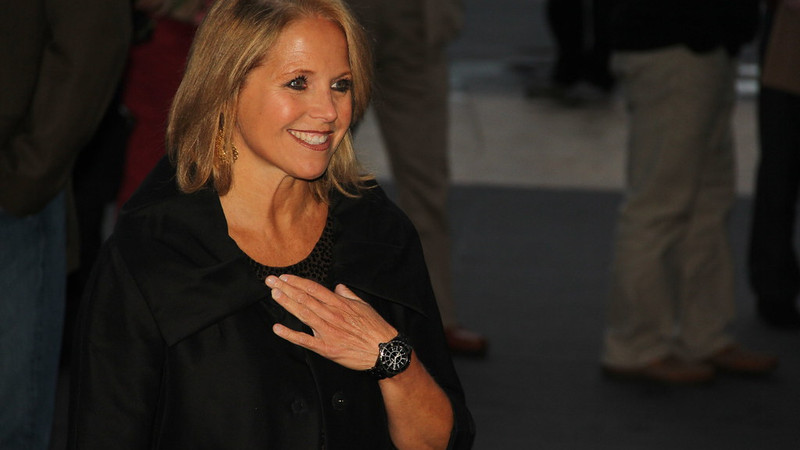
A July 11, 2026, Substack article from FOCAL POINTS (Courageous Discourse) by Dr. Peter A. McCullough, MD, MPH, titled "Katie Couric: Vaccine Evangelist, Breast Cancer, and a Brain That Forgot," has drawn attention for suggesting connections between the journalist's health challenges and her vaccine advocacy. Published on McCullough's platform, which focuses on what he terms "investigative scholarship" regarding public health policy, the article appears to question Couric's longtime support for vaccination while referencing her 2022 breast cancer diagnosis and cognitive concerns.
The article comes from a author who has become a prominent voice in vaccine-skeptic circles, particularly regarding COVID-19 mRNA vaccines. McCullough, a cardiologist whose medical credentials have faced scrutiny from major health institutions, has built a substantial following by challenging mainstream public health narratives. His Substack, *The Focal Points*, regularly publishes content questioning vaccine safety and efficacy.
Katie Couric, the former Today Show host and longtime television journalist, has been open about her health journey. She revealed her breast cancer diagnosis in September 2022, describing it as a "teachable moment" to encourage screenings. Couric has been a health advocate since the 2000s, following the death of her first husband from colon cancer. She has also discussed her own daughters' vaccinations and, in 2013, hosted a controversial segment on HPV vaccines that she later acknowledged gave disproportionate time to anecdotal adverse reactions rather than scientific consensus.
The reference to "a brain that forgot" in McCullough's title appears to allude to cognitive concerns, though Couric has spoken publicly about age-related changes and the demands of her career. The article seemingly attempts to connect these health developments to her vaccination status or advocacy—an assertion that aligns with McCullough's broader pattern of suggesting widespread harm from COVID-19 vaccines.
Medical authorities, including the Centers for Disease Control and Prevention, the American Cancer Society, and numerous peer-reviewed studies, have found no evidence linking COVID-19 vaccines to increased cancer risk or to causing breast cancer specifically. The vaccines have been administered to billions of people worldwide, with extensive safety monitoring through systems like VAERS and V-safe.
The timing of the article is notable, as it emerges amid ongoing public debates about vaccine safety four years after the height of the COVID-19 pandemic. McCullough's piece reflects a continuing effort by vaccine-skeptic commentators to reframe public figures' health conditions through an anti-vaccine lens. While the full text of the article sits behind a paywall, the title and excerpt suggest it continues McCullough's established narrative of "connecting dots" between vaccination and health outcomes in prominent individuals.
For readers encountering this article, it is essential to distinguish between personal health advocacy and peer-reviewed scientific evidence. Couric's decades of cancer awareness work, including her own screening advocacy following diagnosis, exists within a well-documented medical context—one that mainstream oncology and public health organizations continue to support, independent of vaccine politics.
