
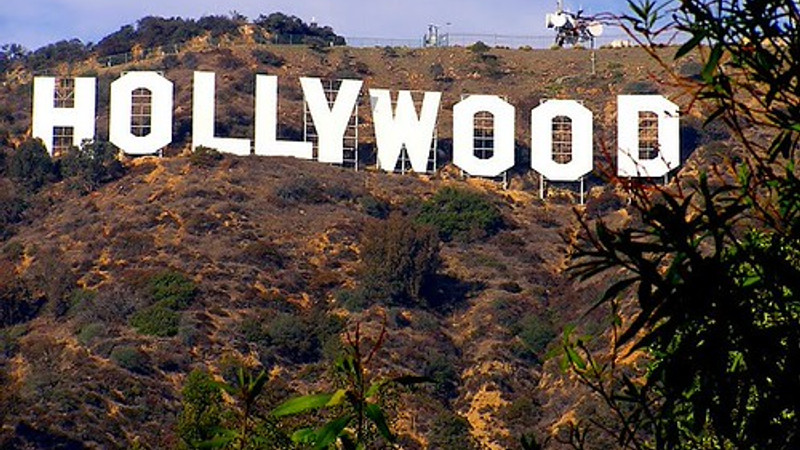
Hollywood is presently curled up in a fetal position on its thousand-dollar organic hemp meditation mat, wondering why America has stopped returning its calls. This weekend, the answer rode in on horseback, wearing a tricorn hat and carrying a budget that wouldn’t cover the kombucha bill on a Marvel set. 'Young Washington'—a historical drama about George Washington’s early years as a wilderness surveyor and reluctant soldier—absolutely steamrolled the Fourth of July box office like a colonial cannon through a redcoat line. Meanwhile, Warner Bros.’ 'Supergirl: Shadow of Rao' performed with all the strength and vigor of a meatball sub abandoned in the July sun, and 'Minions 4: Banana Republic' (not to be confused with the clothing store, though both are aggressively selling you things you don’t need) finally experienced the parental revolt studio executives should have seen coming like a British tax on tea.
Let’s start with the victor. 'Young Washington' cost roughly twelve million dollars to make, or, in modern studio terms, the price of one CGI eyebrow hair on Dwayne Johnson. It stars a relative unknown who actually learned to ride a horse and fire a flintlock instead of pouting in front of a greenscreen while a tennis ball on a stick played his alien sidekick. The film features no post-credit scene teasing the Young Lafayette cinematic universe. There are no laser battles, no quips about “doing whatever a spider can,” and nobody says “let’s light it up” before punching a space god through a skyscraper. It is, simply, a movie about a young man learning to tell the truth, stand his ground, and lead men through a hostile wilderness with nothing but a compass, a sense of honor, and the radical idea that Providence might have a plan for him.
And audiences showed up. Not just in the coastal ZIP codes where studio executives think all disposable income lives, but out in the heartland—that mysterious, corn-filled country between the Hudson and the Hollywood Hills where people still say the Pledge of Allegiance without air quotes and believe courage doesn’t require a merchandising deal. Theaters in Des Moines, Wichita, Amarillo, and Sioux Falls reported lines out the door. These are people who, I am reliably told, view a man willing to own up to chopping down a cherry tree as more inspiring than a billionaire in robot pajamas having a twelve-film tantrum about his orphan status. They bought tickets because 'Young Washington' was selling something Hollywood forgot was profitable: virtue.
Which brings us to 'Supergirl'. Bless her Kryptonian heart, she never stood a chance. The film arrived courtesy of a studio so terrified of superhero fatigue that they made the Girl of Steel into a glowering, nihilistic anti-hero who spends two and a half hours brooding about systemic power structures and her complicated feelings toward the phantom of General Zod’s Pilates instructor. Audiences didn’t get a hero; they got a therapy session with a cape and a Spotify playlist. The marketing team—who, I assume, are presently updating their LinkedIn profiles to “open to work”—tried to sell this as “gritty” and “real.” But real Americans are exhausted by fictional aliens from dead planets lecturing them about their moral shortcomings while obliterating Cleveland for the ninth consecutive summer. The only thing flying faster than Supergirl was the family audience, headed straight to the theater next door showing a movie where the protagonist’s superpower is unshakeable integrity and not a single action figure warming the bench at Target.
And then there are the Minions. Oh, the Minions. Those little yellow capsules of chaos have served for over a decade as the cinematic equivalent of a pacifier, keeping children docile while studios harvested their parents’ bank accounts like a midwestern wheat field. 'M4' was less a film and more a ninety-seven-minute toy commercial with a flatulence joke wedged in every eleven minutes to remind you it was “edgy.” Parents—the silent, wallet-holding majority of the summer box office—finally revolted. The stuffed animals didn’t move. The plastic backpacks gathered dust. Turns out, when you strip away the billion-dollar merchandising empire and the McDonald’s tie-ins, there’s barely enough story to soak up a corn dog napkin. Families voted with their feet, choosing to spend their holiday watching a movie about duty and sacrifice rather than shelling out forty-five dollars for a popcorn bucket shaped like a gibbering Twinkie.
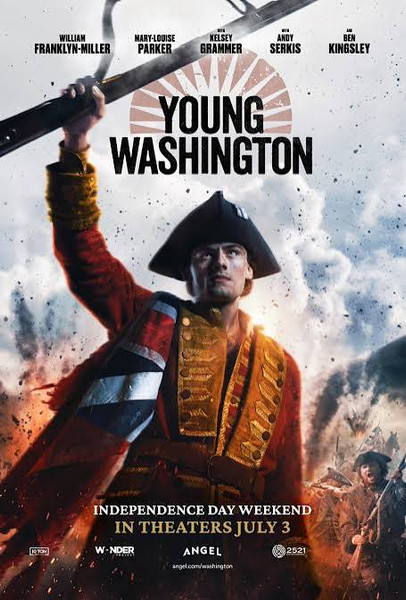
Here is the hard truth Hollywood will ignore in its next shareholders’ call: the American audience is suffering from cape-induced narcolepsy and merchandise fatigue. We have been fed so many angsty, leather-clad anti-heroes that a protagonist who simply does the right thing because it’s right now feels like a psychedelic experience. Studios used to sell us boy scouts and men of principle; now they’re peddling broken people in latex who save the world reluctantly while their shareholders count the merchandising revenue. 'Young Washington' proved that people are famished for stories of real American greatness—not greatness defined by punching power or gravitational strength, but by character, leadership, and the willingness to kneel in frozen mud at Valley Forge because the idea of liberty is worth more than personal comfort.
Superman used to be that guy. So did Captain America, before they handed him a leather jacket and an attitude problem. Now, if a studio wants to sell “heroism,” they think it requires a scowl and a protagonist who broods at the camera like he’s constipated by the weight of his own complexity. But that isn’t heroism; it’s brand management with six writers’ rooms and a mandate to sell backpacks to China. Heartland audiences looked at that offering, looked at their kids, and decided they’d rather watch a story about a young Virginian with wooden teeth and unshakeable principles than another product of corporate boardrooms masquerading as cinema.
So here is to Young Washington'. May its success haunt every studio lot that thinks patriotism is corny and integrity is old-fashioned. May it remind Hollywood that the real American superhero doesn’t need a cape, a tragic backstory, or a billion-dollar merchandising rollout. Sometimes, he just needs a truth to tell, a country to build on liberty, and the good sense to know that the most radical act in modern entertainment is telling a story that’s honest. Thank you Jon Erwin! The box office has spoken, and this weekend, it sounded an awful lot like a ringing bell of freedom—and not a single squeaking banana in earshot.
Editorial comments expressed in this column are the sole opinion of the writer
