As fireworks light up our skies this Fourth of July, we remember the courage that gave birth to America.
As our nation celebrates its 250th anniversary, we pause to remember the extraordinary courage that turned a dream of liberty into the United States of America. Among the countless heroes who birthed our nation, the story of a teenage soldier named James Monroe stands as a testament to the unbreakable spirit that defined our founding generation.
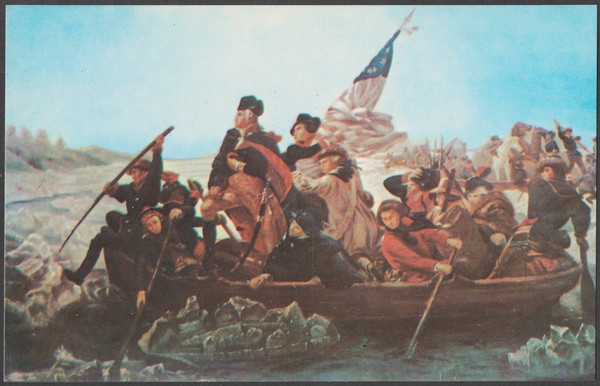
It was Christmas night, 1776. The Revolutionary War hung in the balance, and General George Washington's ragged army faced impossible odds. Among those crossing the ice-choked Delaware River was an 18-year-old lieutenant named James Monroe, who would one day become our fifth president.
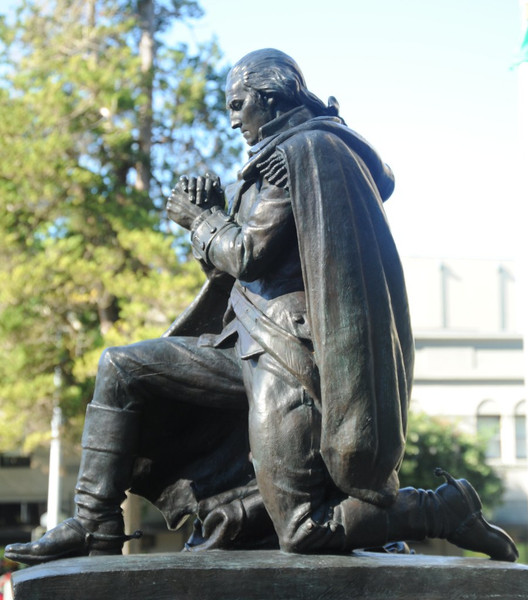
Hours later, on a frozen battlefield at Trenton, New Jersey, that young man demonstrated what American courage looks like.
Standing firm amid the chaos with a musket ball lodged in his chest and blood pooling beneath his coat, Monroe refused to fall. He was an 18-year-old bleeding for a country that didn't even have a name yet—fighting for an idea, a hope, a bold experiment in self-governance that the world had never seen before.
A battlefield doctor would later save his life by plunging his bare thumb into the *wound, stanching the bleeding from a severed artery. But it was Monroe's indomitable will to stand and fight that defined the moment.
Two hundred fifty years later, we are that nation.
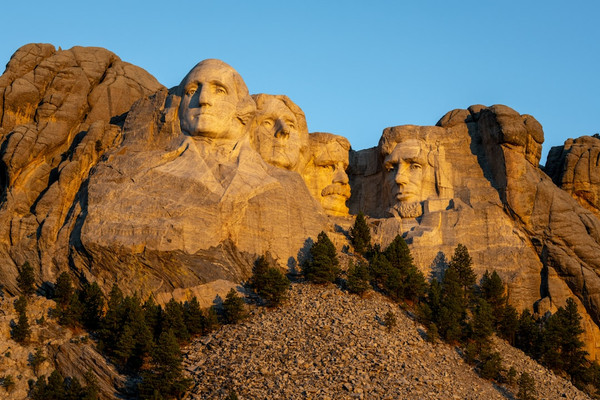
From those frozen Delaware waters to the warmth of a million backyards where families gather this Independence Day, America has endured. We've weathered wars, depressions, internal strife, and triumphs that our founders could scarcely have imagined. Through every challenge, the same spirit that kept James Monroe on his feet has kept our nation standing tall.
This Fourth of July, as we celebrate America's semiquincentennial—our 250th anniversary—we honor not just the famous names from our history books, but the countless ordinary Americans who became extraordinary through their sacrifice. The soldiers who crossed the Delaware. The patriots who signed dangerous declarations. The everyday citizens who believed that a government of the people, by the people, and for the people could be more than just a fantasy.
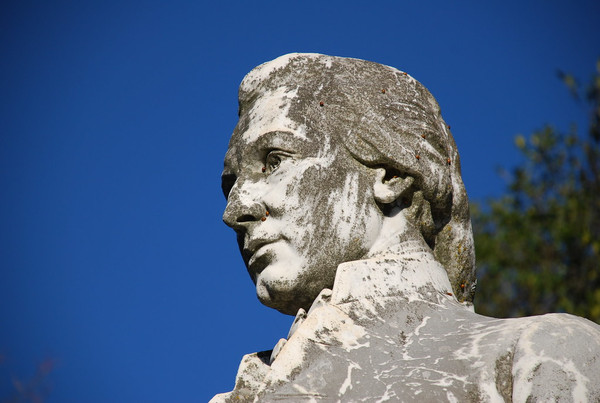
Monroe would survive Trenton to witness America's birth, to help forge its Constitution, and to serve as president during what became known as the "Era of Good Feelings." But it was that frozen Christmas morning, bleeding for an unborn nation, that defined his patriotism—and ours.
So as you watch the fireworks burst across the sky this Fourth of July, think of an 18-year-old in a frozen field who refused to fall. Think of what he fought for. Think of the nation we have built together.
Two hundred fifty years. One nation. Still standing.
Happy Independence Day, Heartland America.
*The James Monroe Museum notes that his wartime injury remained with him throughout his life, a physical reminder of the price of our freedom—one we honor today and always.
Editorial comments expressed in this column are the sole opinion of the writer