
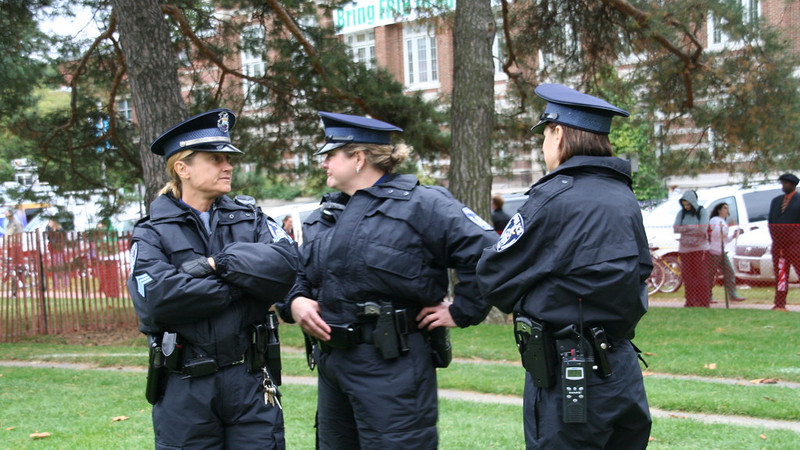
The Police1.com article published in March 2026 presents a sobering statistical portrait of women's representation in American law enforcement, revealing modest progress alongside persistent underrepresentation. Drawing primarily on Bureau of Justice Statistics data, the analysis demonstrates that despite decades of effort, women remain a small minority of sworn officers across all levels of policing.
At the local level, the data show incremental gains. Women comprised just 8% of full-time sworn officers in local police departments in 1987, rising to 12% by 2007. By 2020, this figure reached approximately 14%, with women representing 11% of first-line supervisors. However, when including sheriffs' offices and primary state police agencies, the overall figure drops to 13% of full-time sworn officers. This stagnation is particularly concerning given that women make up roughly half of the U.S. population.
Perhaps the most striking finding concerns the distribution of women across agencies rather than aggregate numbers. In 2020, 40% of general-purpose law enforcement agencies employed no female full-time sworn officers whatsoever. While this marks improvement from 1997, when 62% of agencies had no women officers, the fact that four in ten agencies still operate entirely without female sworn personnel reveals deep structural gaps in recruitment and hiring.
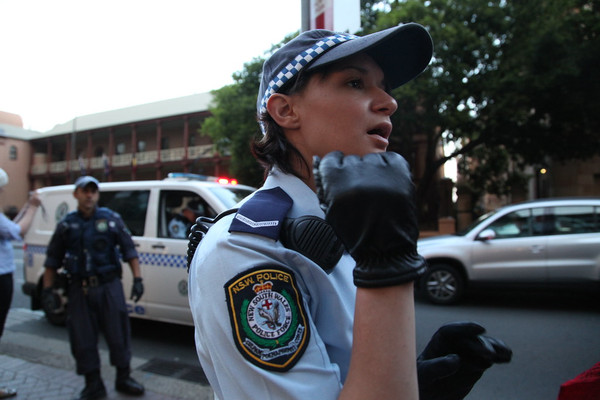
One city's police force seems to be bucking the trend. In 2020 19% of the Dallas PD were women. By 2025 it jumped to 26% and Class 408 luanced Septemeber of 2025 has 20 females, or about 26% intake.
The article's data support broader research findings about the value of increasing women's representation. Female officers demonstrate lower rates of lethal force usage, appear less frequently in civilian complaints and lawsuits, and are perceived by communities as more honest and compassionate. They also achieve better outcomes for crime victims, particularly in sexual assault cases, and make fewer discretionary arrests. These outcomes have helped fuel initiatives like the 30×30 movement, which aims to increase women in policing ranks to 30% by 2030.
However, the persistence of barriers continues to undermine recruitment and retention. Related research identifies ongoing challenges including workplace bias, unvalidated assessment processes, harassment, and organizational cultures that fail to accommodate women's needs. A Police1 survey found that 77% of female officers reported experiencing sexual harassment on the job. Environmental factors—the perception that policing remains a "man's world" and difficulties balancing family responsibilities—continue to deter women from entering the field.
The data collectively tell a story of glacial progress. While raw numbers have grown substantially—from roughly 1,000 women officers in 1974 to approximately 96,000 today—the proportional representation has barely budged in recent decades. The article underscores that without systemic reform addressing institutional culture, hiring practices, and career advancement pathways, the underrepresentation of women in policing will likely persist. As agencies nationwide grapple with calls for improved community relations and more effective public safety models, the data suggest that diversifying their ranks is not merely a matter of equity but of operational effectiveness.
