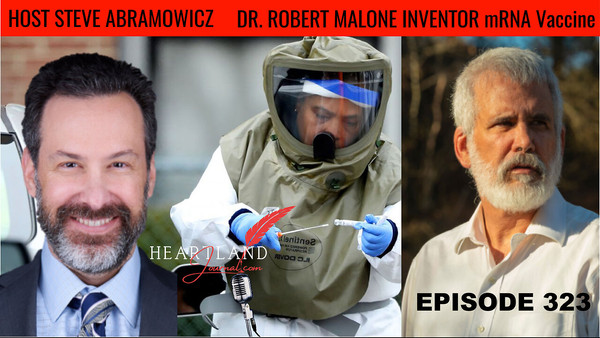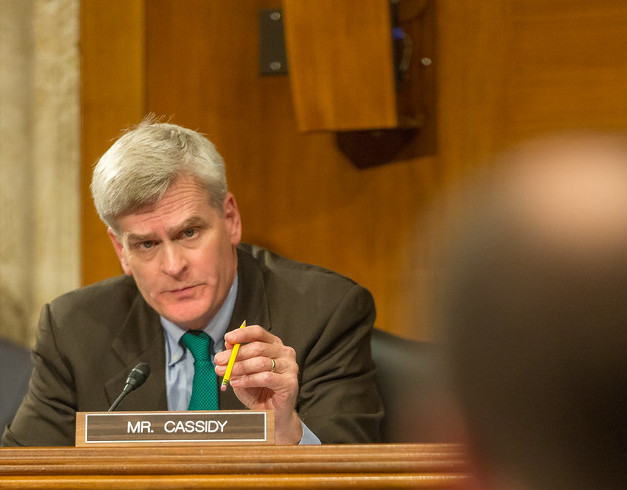
Dr. Robert W. Malone, Episode 323 HLJ, a physician and mRNA vaccine technology researcher, published a provocative Substack article titled "The Senator the mRNA Industry Built," targeting Senator Bill Cassidy of Louisiana. The piece raises significant questions about the relationship between pharmaceutical industry funding and political decision-making regarding mRNA vaccine policy.
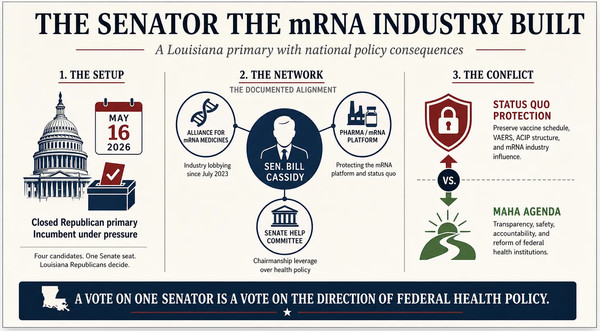
Source: Malone News By Dr. Robert W. Malone

The article's central thesis draws attention to Cassidy's campaign financing. When Cassidy assumed leadership of the Senate health committee in February 2023, pharmaceutical executives responded swiftly. Within days, campaign contributions poured in from drug industry leaders, including “$5,800 from Pfizer CEO Albert Bourla, $5,000 from Eli Lilly CEO David Ricks, $2,900 from Bristol Myers Squibb CEO Giovanni Caforio, and $2,500 from Biogen CEO Christopher Viehbacher”. All of these executives serve on PhRMA's board of directors.
Malone suggests this financial support has influenced policy positions. Cassidy has recently expressed strong opposition to HHS Secretary Robert F. Kennedy Jr.'s decision to wind down mRNA vaccine development investments, arguing such moves undermine the Trump administration's agenda.
The article has broader political implications. Malone notes that Cassidy was among Republicans who voted to convict former President Trump during his second impeachment. By framing Cassidy as compromised by pharmaceutical interests, Malone appears to be making a case for Louisiana Republicans to support alternative candidates who might represent different priorities.
Malone characterizes Cassidy as having gone on record as being "the senator most directly responsible" for institutional support of mRNA technology and the broader pharmaceutical framework.
This article reflects growing tensions within the Republican Party regarding vaccine policy and pharmaceutical industry influence. It exemplifies how mRNA vaccines have become not just a scientific issue but a political wedge, particularly following the COVID-19 pandemic. Malone, positioning himself as a whistleblower on mRNA technology's development, uses this platform to challenge establishment Republicans viewed as too close to Big Pharma.
The piece serves as both investigative journalism and political advocacy, urging Louisiana voters to reconsider Cassidy's record as they approach the 2026 election cycle. Whether this narrative resonates with voters remains to be seen, but it highlights the increasingly contentious intersection of health policy, campaign finance, and partisan politics in contemporary America.
Editorial comments expressed in this column are the sole opinion of the writer