
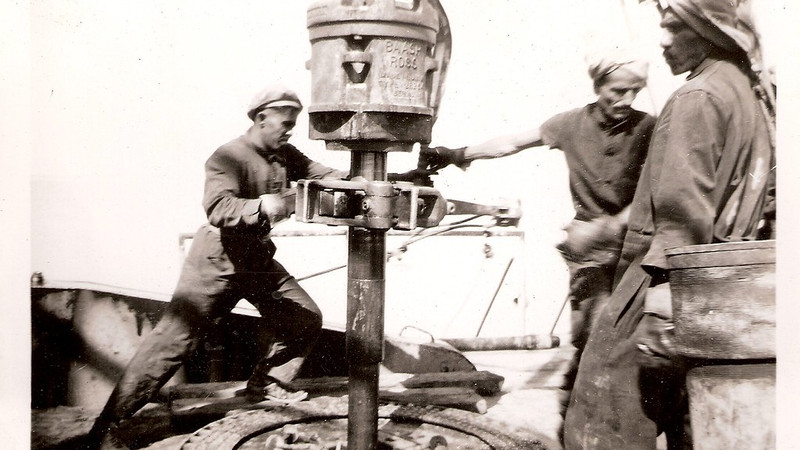
"The United States is the largest Oil Producer in the World, by far, so when oil prices go up, we make a lot of money." — Donald Trump, referencing U.S. oil production in 2026.
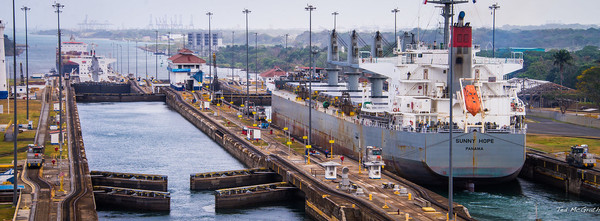
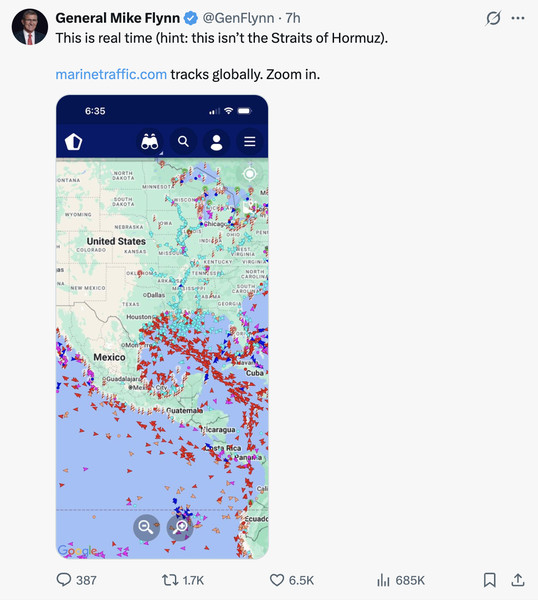
The Panama Canal and the Strait of Hormuz represent the twin pillars of global maritime commerce. Should the United States, under a revived Trump foreign policy, reassert dominant control over both strategic waterway systems while curtailing Chinese influence in Panama, the energy security architecture of the Asia-Pacific would fundamentally realign—forcing Japan and other Asian economies to deepen their dependence on American oil exports rather than traditional Middle Eastern sources.
First, controlling the Panama Canal eliminates China's Belt and Road maritime shortcut. Currently, Chinese companies operate ports on both Pacific and Atlantic sides of the canal, facilitating the flow of Middle Eastern crude to Asian refineries. By expelling Chinese commercial influence and asserting American oversight over canal operations, Washington effectively gains leverage over which energy cargoes transit efficiently. This creates a natural bottleneck where Asian purchasers must now consider American diplomatic preferences when sourcing petroleum.
More critically, American dominance of the Strait of Hormuz—the world's premier energy chokepoint through which roughly one-fifth of global oil shipments flow—would represent the ultimate energy leverage. By controlling access to Persian Gulf exports, Washington would possess the theoretical capacity to modulate or complicate Middle Eastern oil shipments to East Asia. While outright blockage remains unlikely, regulatory inspection regimes, security escort requirements, or "freedom of navigation" protocols could slow and increase costs for traditional Gulf-to-Asia routes.
When these two chokepoints operate under American coordination, Asian energy planners face a stark new calculation: Middle Eastern oil becomes geopolitically risky while American crude becomes strategically assured. American shale producers, operating with guaranteed canal passage and Hormuz protection, could offer long-term supply contracts insulated from chokepoint volatility. For Japan—a nation importing 99% of its petroleum—this security premium becomes paramount. Tokyo would find itself incentivized to pivot from Saudi and Kuwaiti contracts toward Gulf Coast and Permian Basin exporters, transporting crude via secure Pacific routes rather than navigating the increasingly tenuous Hormuz-Malacca axis.
The strategic marriage of these chokepoint controls effectively creates an American energy corridor. Oil flowing from Texas and Louisiana through the Panama Canal to Asia bypasses the Middle Eastern entanglements entirely, offering punctuality and predictability that Hormuz-dependent shipments cannot match. Asian economies become de facto tethered to American energy markets, transforming their import dependencies into diplomatic dependencies.
Strategically complementing this Western hemispheric consolidation, the construction of a new overland pipeline funneling Saudi crude across the Arabian Peninsula to Israeli Red Sea terminals fundamentally redesigns Middle Eastern energy geography. By bypassing the Strait of Hormuz entirely, this American-backed infrastructure transforms Israel into a Mediterranean energy hub, where Saudi oil joins potential Israeli offshore gas at Eilat for transshipment to Europe and Asia. For Japan and Asian importers, this creates an alternative procurement pathway—one secured by American regional alliances rather than vulnerable to Iranian interdiction. The pipeline effectively monetizes the Abraham Accords, converting diplomatic normalization into tangible energy infrastructure that flows through American-aligned territory. Saudi Arabia gains Hormuz-free export capacity; Israel gains transit revenues and strategic indispensability; and Washington gains a redundant, controllable energy corridor that further diminishes the leverage of its regional adversaries. For Asian buyers, purchasing oil routed through Israeli terminals represents another humiliating betrayal of Palestinian sovereignty, yet one they must quietly accept as the price of energy security in an era where American-engineered pathways offer the only reliable alternatives to Hormuz-based vulnerability.

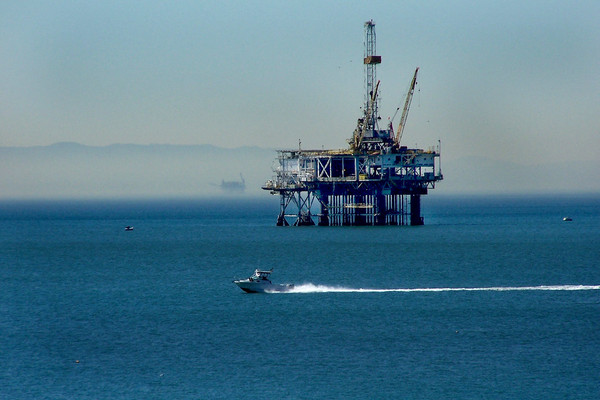
This represents a twenty-first-century resource imperialism: by commanding the gates through which energy flows, Washington converts maritime chokepoints into economic leverage, compelling Asian capitalism to fund American energy production while diminishing China's regional influence.
Editorial comments expressed in this column are the sole opinion of the writer
For more on the subject see our guest appearane on REAL AMERICA'S VOICE
Has war in Iran put the economy in peril?
- by: Heartland Journal
- 2026-03-11
- Source: heartlandjournal.com
