
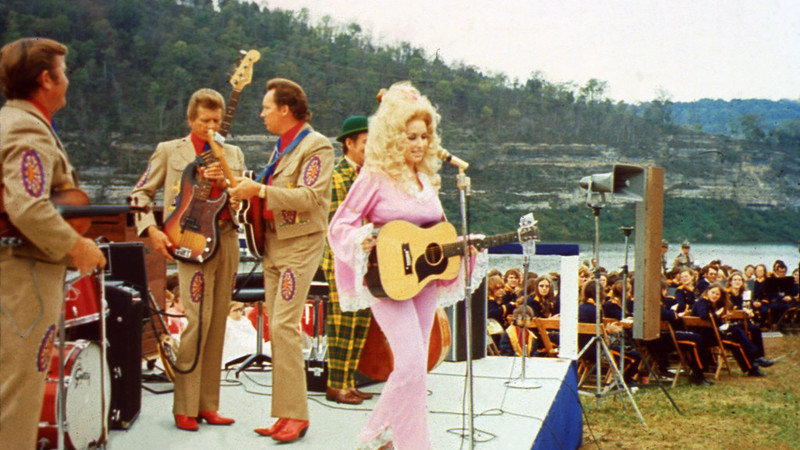
Dolly Parton was one of many celebrities who have promoted products such as the mRNA COVID-19 shots, Prozac, and Viagra. Her celebrity-driven promotion of COVID-19 vaccines sits inside a longer tradition of pharmaceutical star power — from 1990s antidepressants to Pfizer's erectile-dysfunction blockbuster. Viagra was another blockbuster drug that received numerous celebrity endorsements. When famous faces sell medicine, the public is looking at a marketing campaign, not medical guidance.
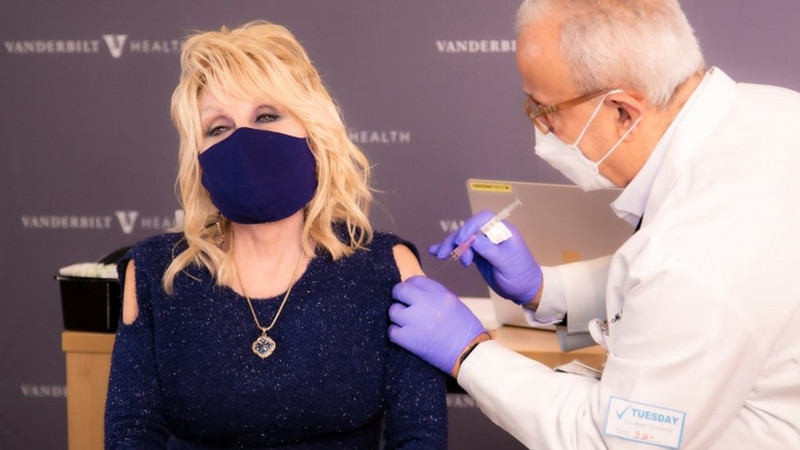
Dolly Parton and the mRNA shots. The most documented example. Parton donated $1 million to Vanderbilt University Medical Center, which contributed to Moderna vaccine research, and in March 2021 she received her Moderna shot on camera while singing a rewritten "Jolene" — "Vaccine, vaccine" — telling viewers, "Don't be such a chicken squat, get out there and get your shot." The moment was widely covered (BBC, NYT, CNN) and became emblematic of the broader celebrity-and-public-health push to normalize vaccination. Whether her funding "supported" Moderna (via Vanderbilt's research role) or was simply charitable support of a trial site is a nuance critics and defenders argue about; the article, judging by its framing, presents her as a de facto pharma promoter.
Prozac. Eli Lilly's antidepressant is also among celebrity-promoted products. The documented backdrop: the 1990s "Prozac era," when celebrities increasingly spoke openly about depression, destigmatizing SSRIs and fueling a surge in prescriptions — a shift critics say blurred the line between awareness-raising and product marketing.
Viagra. The best-attested celebrity pharma campaign of the pre-COVID era. Pfizer hired former Senator Bob Dole in 1998 for a TV campaign urging men to discuss erectile dysfunction (the Los Angeles Times covered the deal at the time), and athletes such as baseball's Rafael Palmeiro later fronted Viagra ads. The campaign is widely credited with turning a once-taboo condition into everyday advertising fare and driving blockbuster sales.
Celebrity endorsement of prescription drugs is legal in only two countries — the United States and New Zealand — because direct-to-consumer advertising of Rx medicines is banned everywhere else. That fact is standard in critiques of the practice. The mainstream critique is well established: Public Citizen's Dr. Michael Carome has said brand-name drugmakers use celebrity endorsements hoping patients will "blindly pressure their doctor" to prescribe their products "regardless of the merits." A 2025 JAMA Network Open scoping review examined the growing role of social media influencers in prescription-drug promotion and flagged similar concerns about unverified claims and undisclosed sponsorship.
Two things to keep in mind. Dr. McCullough is one of the most prominent COVID-19 vaccine skeptics in American medicine — recasting vaccine promotion as pharma marketing — serves his worldview. The historical examples it leans on (Parton, Dole, the Prozac era) are genuinely documented. Second, Dolly Parton was never a paid spokesperson for Moderna, whereas Bob Dole was a paid Pfizer campaigner. Treating "celebrity endorsement" as one category merges paid advertising with unpaid public-health advocacy — a rhetorical move readers should notice.
Editorial comments expressed in this column are the sole opinion of the writer
