
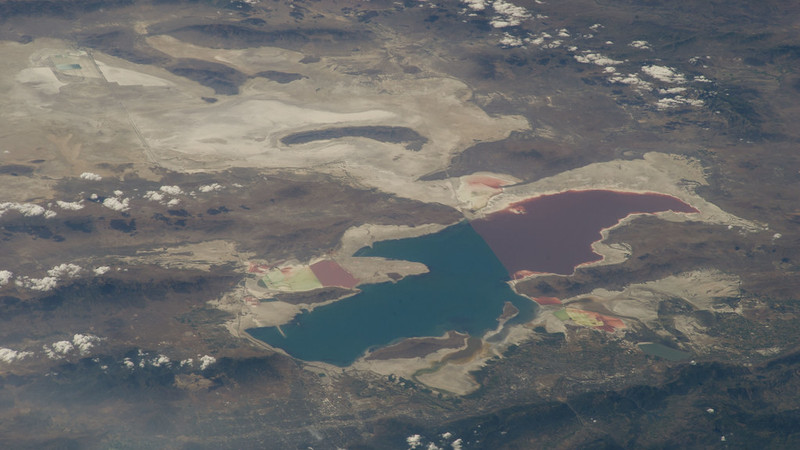
Saving a dying saline lake has proven nearly impossible throughout modern history. Despite tens of millions of dollars and decades of political promises, the world's most notorious lake restoration efforts have largely collapsed under the weight of agricultural demand, cross-border disputes, and institutional inertia. Utah now faces that same bleak precedent as it wages its own campaign to rescue the Great Salt Lake—and its credibility hinges on whether a historic $200 million bet can defy the historical odds.
The Aral Sea, once the fourth-largest lake on Earth, stands as the graveyard of hydrological ambition. By the time international agencies mobilized, roughly 90 percent of its water had already vanished due to Soviet-era irrigation diversions. USAID and other bodies poured millions into restoration schemes, yet decades of efforts failed to stop—let alone reverse—the sea's demise. While Kazakhstan achieved limited success reviving the Small Aral through a dam project, the Large Aral continues to shrink; its eastern lobe has disappeared entirely. Analysts attribute the failure to fragmented governance, uncurbed upstream water extraction, and the inability to align national priorities across multiple sovereign borders.
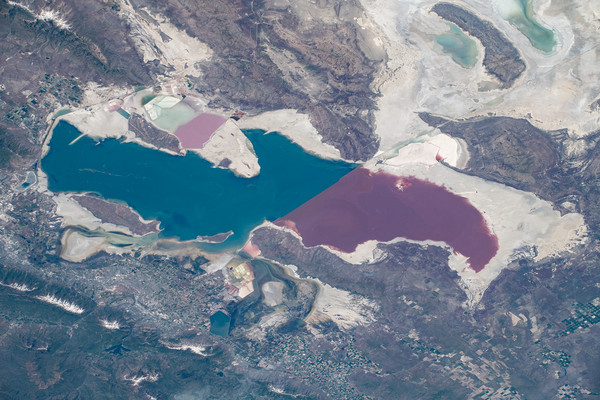
Against this sobering backdrop, Utah is attempting what no jurisdiction has accomplished before: saving a terminal saline lake fromgricultural overuse within a single, coordinated governance framework. The state has committed over $200 million to agricultural optimization and market-based water transfers. The centerpiece is a voluntary water-leasing system designed to compensate farmers for sending water downstream rather than applying it to crops.
The 2026 legislative session sharpened these tools. House Bill 410 established the Great Salt Lake Preservation Program, allocating $2.75 million specifically to lease agricultural water for the lake. Participating farmers retain their underlying water rights—removing a long-standing psychological and financial barrier to conservation—and can choose split-season leases that allow them to farm part of the year while resting irrigation during critical inflow periods. Meanwhile, the legislature has already dedicated over $200 million toward agricultural optimization projects, incentivizing drip irrigation and other efficiency technologies that could reduce consumptive use across the basin. The state also capitalized the Great Salt Lake Watershed Enhancement Trust with $40 million to broker voluntary deals between water-rights holders and conservation interests.
If Utah succeeds, it will be the first modern government to pull a major saline lake back from the brink—not through grand engineering, but by paying farmers to let the water flow. If it fails, the Great Salt Lake will join the Aral Sea and Lake Urmia as monuments to humanity's inability to restrain its own thirst.
