
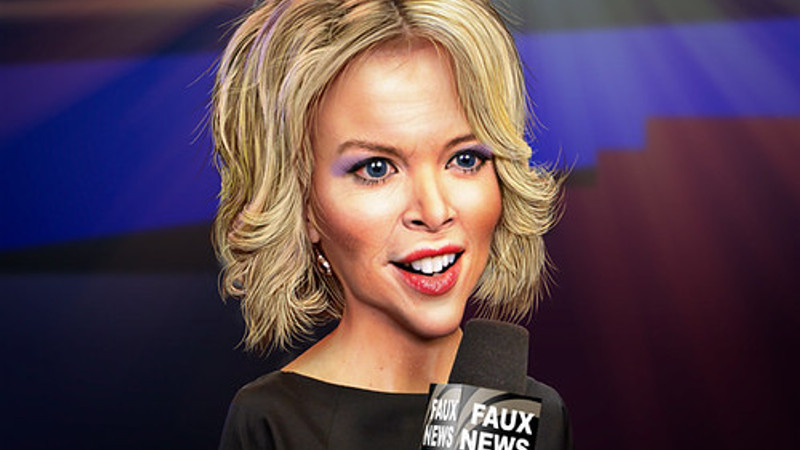
The story of Megyn Kelly’s transformation is, in many ways, the story of what happens when a traditional television career collides with the influencer economy — and loses, then adapts.
Kelly, 55, first gained national prominence as a Fox News anchor who, during the network’s first Republican primary debate in 2015, pressed Donald Trump on his treatment of women — a confrontation that triggered a very public feud and helped precipitate her exit from Fox in 2017. That departure was bound up in something larger: alongside Gretchen Carlson and others, Kelly accused then–Fox News CEO Roger Ailes of sexual harassment, a reckoning later dramatized in the 2019 film Bombshell, in which Charlize Theron portrayed her as a complicated but sympathetic figure of workplace defiance.
But not long after achieving mainstream respectability, Kelly’s career suffered a sharp blow. Her much-hyped NBC morning show, Megyn Kelly Today, was canceled after less than a year following her widely condemned remarks defending blackface Halloween costumes — a rupture that may explain both the chip on her shoulder and Kelly’s urgency to rebuild her brand on her own terms.
Her reinvention has been swift and, by most metrics, successful. In 2020, Kelly launched The Megyn Kelly Show as an independent podcast. By March 2025, she had expanded into MK Media, a growing podcast network under her Devil May Care Media banner, with ambitions to rival established conservative outlets. Her YouTube channel now exceeds four million subscribers and drew 138 million views in February alone.
As she works to expand that empire, Kelly has found herself navigating a shifting political and media landscape — one in which her proximity to Candace Owens, and her reluctance to distance herself from Owens’ increasingly controversial claims, has drawn scorn and scrutiny from some of her longtime allies on the right.
