In the ever-changing landscape of consumer products, some brands have journeyed from household names to footnotes in business textbooks. Welcome to the Brand Cemetery, where once-mighty corporate identities now reside alongside pet rocks and New Coke in the mausoleum of marketing missteps.
Let us pour one out for Blockbuster, the blue-and-gold Goliath that fell to David—better known as Netflix. Those bright blue and yellow stores that dotted every American shopping center now exist only as nostalgic memes and one stubborn outpost in Bend, Oregon. We can almost hear the ghostly sound of late fees being charged to our collective memory.
Then there's Borders, the book retailer that ironically couldn't read the writing on the wall. While cute indie coffee shops now occupy their former spaces with artisanal lattes and ironic typewriters, Borders went bankrupt in 2011—perhaps the greatest irony being that they helped create the very bookstore-as-experience culture that indie shops now thrive in.
Remember Enron? The company that made "creative accounting" a household phrase before going bankrupt in 2001. Their logo might be gone, but their legacy lives on every time someone winks and says, "Our profits are... creative."
Do you remember Woolworth’s founded in New York in 1879 and Sears founded in 1892? As shopping habits changed and competition from giants like Walmart and Amazon intensified, Sears failed to reinvent itself. After years of decline, the company filed for bankruptcy in 2018.
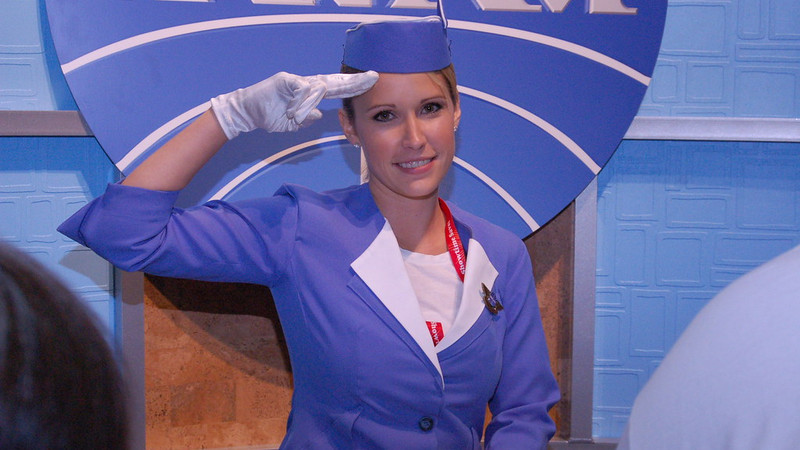
And who could forget Pan Am? The airline that made air travel glamorous before it became the equivalent of stuffing ourselves into flying sardine cans. The company that once represented the pinnacle of sophisticated international travel now exists only as vintage luggage tags and Mad Men plot devices.
The tech industry has contributed its fair share to this corporate graveyard. Remember Palm Pilots? Those Personal Digital Assistants that everyone carried before smartphones made them obsolete. They were the technological equivalent of training wheels for our now-ubiquitous mobile devices.
Many of us had a Compaq at some point. Founded in 1982 in Houston, Texas, this personal computer brand quickly became one of the biggest names in the tech world. However, as new competitors filled the market in the 1990s, sales began to decline. Over time, the brand faded away, and by the early 2010s, Compaq was gone.
Toys "R" Us—the store with the backwards R and Geoffrey the Giraffe—met an undignified end when consumers discovered they could get the same plastic junk delivered to their doors without having to navigate aisles of screaming children.
The iconic ‘Smokey and the Bandit’ Trans Am and GTO, Firebird reached peak fame between 1950s and 1970s. General Motors decided to discontinue Pontiac in 2010.
These brands remind us that in the world of commerce, no logo is too iconic to fail, no market position too secure to crumble. Tomorrow's inevitable corporate death row already has its first occupant: whatever brand you're currently devoted to would be wise to learn from these cautionary tales. After all, in the brand world, the only thing more certain than death and taxes is your eventual relevance crisis.
Editorial comments expressed in this column are the sole opinion of the writer