
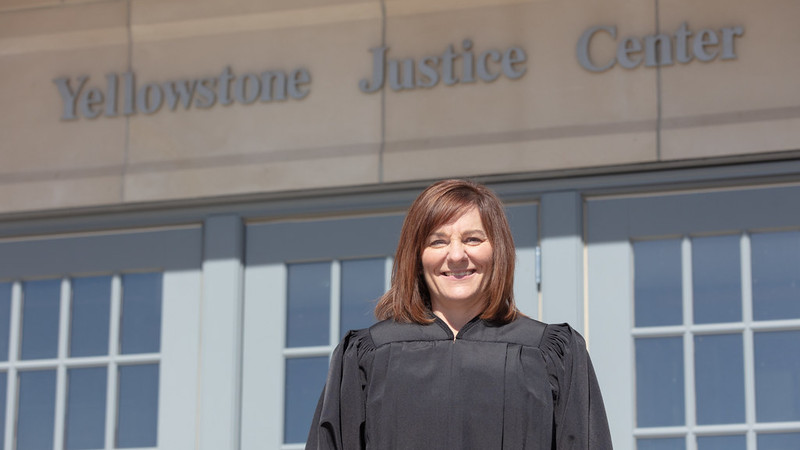

It is one of the most outrageous and reckless realities in American governance: in dozens of states—including North Carolina and Virginia—men and women who have never pulled an all-nighter studying constitutional law, never passed a bar exam, and never stepped foot in a law school are given the power to decide whether accused rapists, armed robbers, and repeat violent felons walk out of jail and back onto your streets before trial. These are not judges in the traditional sense. These are magistrates—low-level court officers often armed with nothing more than a four-year college degree in communications or prior work as a teacher, a football coach, or a bartender—and they are playing roulette with public safety in the most consequential doorway of the criminal justice system: the initial bail hearing.
In North Carolina, over 80% of magistrate judges do not hold a law degree. Not only do they not need a J.D., they do not need to have studied criminal procedure, evidence, sentencing guidelines, or risk assessment with any rigor. To become a North Carolina magistrate, you can qualify with nothing more than a four-year college degree in any field whatsoever, or an associate's degree plus four years of vaguely "related" experience, or eight years as a law enforcement officer. That is it. The State of North Carolina will then swear you in and let you spend your first six months on the job with absolutely zero training. After that insulting grace period, you must complete a craven forty hours of basic instruction—less than one work week—to begin adjudicating cases, setting bail, issuing arrest warrants, and determining whether defendants charged with violent felonies go home or stay behind bars. The result? A documented pattern of clear procedural errors, including, according to research published in the ‘Columbia Law Review’, setting inappropriate bail—which means these unqualified individuals are turning loose dangerous predators based on little more than gut instinct and a checklist they barely understand.
Virginia is no better, and in many ways, it is worse. When someone is arrested in the Commonwealth, they are dragged before a magistrate, not a judge, in a proceeding conducted behind closed doors without the presence of a defense attorney. Let that sink in. The accused—often confused, terrified, and unrepresented—stands before a magistrate who may have no legal training whatsoever, and that magistrate makes the initial call on freedom or detention. Then came the 2021 bail reform catastrophe that Virginia unleashed on its citizens. Under this disgraceful statute, magistrates are now directed to operate under a presumption that accused criminals should be released—even when they are facing serious charges and even when they have violent criminal histories. A Commonwealth's Attorney can object, but the presumption is for release. And what has been the result? Bloodshed and chaos.
The Virginia State Crime Commission's own data is staggering and damning. After the 2021 reforms took effect, annual recidivism rates for those released shot up to 20–23%, compared to 17–21% before the reform. One prosecutor's office found that bail reform directly led to increases in pretrial release, recidivism, bond failure, and violent crime. Let me say that again: the state's own numbers confirm that more violent criminals were cut loose, and they returned to offending at higher rates. These aren't abstract statistics. They represent innocent people beaten, robbed, raped, shot, stabbed and terrorized by defendants who should have been detained but were instead released by magistrates following a philosophy that treats violent predators like victims of circumstance.
The entire construct is a sick joke on the notion of justice. A lawyer in North Carolina or Virginia must complete four years of undergraduate education, three years of grueling law school, pass a bar exam that tests everything from constitutional protections to criminal statutes, submit to character and fitness review, and then spend years in practice learning the stakes of every decision. That lawyer must understand case precedent, statutory interpretation, and the difference between a low-risk first-timer and a career violent offender who has proved time and again that he cannot abide by society's rules. But the magistrate who overrules that lawyer's objection, or who cuts the violent recidivist loose with a signature bond, may have spent the previous decade teaching third-grade social studies, mixing Long Island ice teas or calling football plays. When that magistrate—lacking legal acumen, lacking the adversarial testing of open court, and often captive to progressive ideological reform mandates—flips the release switch, the consequences fall on the public. And those consequences are not theoretical. They are dead bodies in parking lots, battered domestic violence victims who thought the system would protect them, and neighborhoods held hostage by a revolving door of thugs who laugh at the conditions of release they have no intention of honoring.
This is not merely incompetence; it is systemic contempt for the safety of the law-abiding public. The legal scholar Sara Sternberg Greene correctly diagnosed the rot: the tolerance for non-lawyer judges is a symptom of the devaluation of legal problems faced by the poor. Because these initial hearings disproportionately affect those who cannot afford private counsel, the system shunts them into a star chamber presided over by the least qualified actors in the judiciary. It is class warfare by negligence, and it treats the constitutional protections and bodily safety of vulnerable communities as afterthoughts.
It should enrage every citizen that a 22-year-old college graduate with a sociology degree and a six-week orientation packet can sit in judgment over whether a violent felon with three, thirty, eighty in some cases, prior convictions for aggravated assault gets to go home and await trial. It should make your blood boil that Virginia and North Carolina knowingly permit this, even as prosecutors trumpet rising crime rates and communities beg for relief. This is not how a serious civilization operates. You would not let a person without a medical license perform open-heart surgery. You would not let a person without an engineering degree design a bridge. Yet we let glorified clerks—with no demonstrated expertise in the law, no accountability for their mistakes, and increasingly, no obligation to weigh the genuine danger a defendant poses—cut violent offenders loose to prey again.
Thirty-seven states allow individuals without a law degree to make detention decisions in at least some criminal cases. These states authorize individuals serving in a variety of roles with little more than a high school diploma and less than a week's worth of training to make critical criminal justice decisions.
The recidivism is not an accident. It is the predictable, inevitable result of handing the keys to the courthouse to people who never earned them. The bail reform in Virginia and the inadequacy of magistrate training in North Carolina are not signs of a compassionate system; they are signs of a system that has lost its mind and abdicated its first duty: to protect the innocent from the cruel. We do not need more sensitivity seminars for magistrates. We need to strip them of the power to release violent offenders until they are fully qualified attorneys, operating in open court, under the scrutiny of elected judges who answer to the public when the released predator strikes again. Until that happens, the blood spilled by recidivist monsters released by these amateur-hour proceedings stains the hands of every legislator and court administrator who allowed this disgrace to continue. Enough is enough. No law degree, no bail authority. It is the only standard a serious society would accept.
Editorial comments expressed in this column are the sole opinion of the writer
